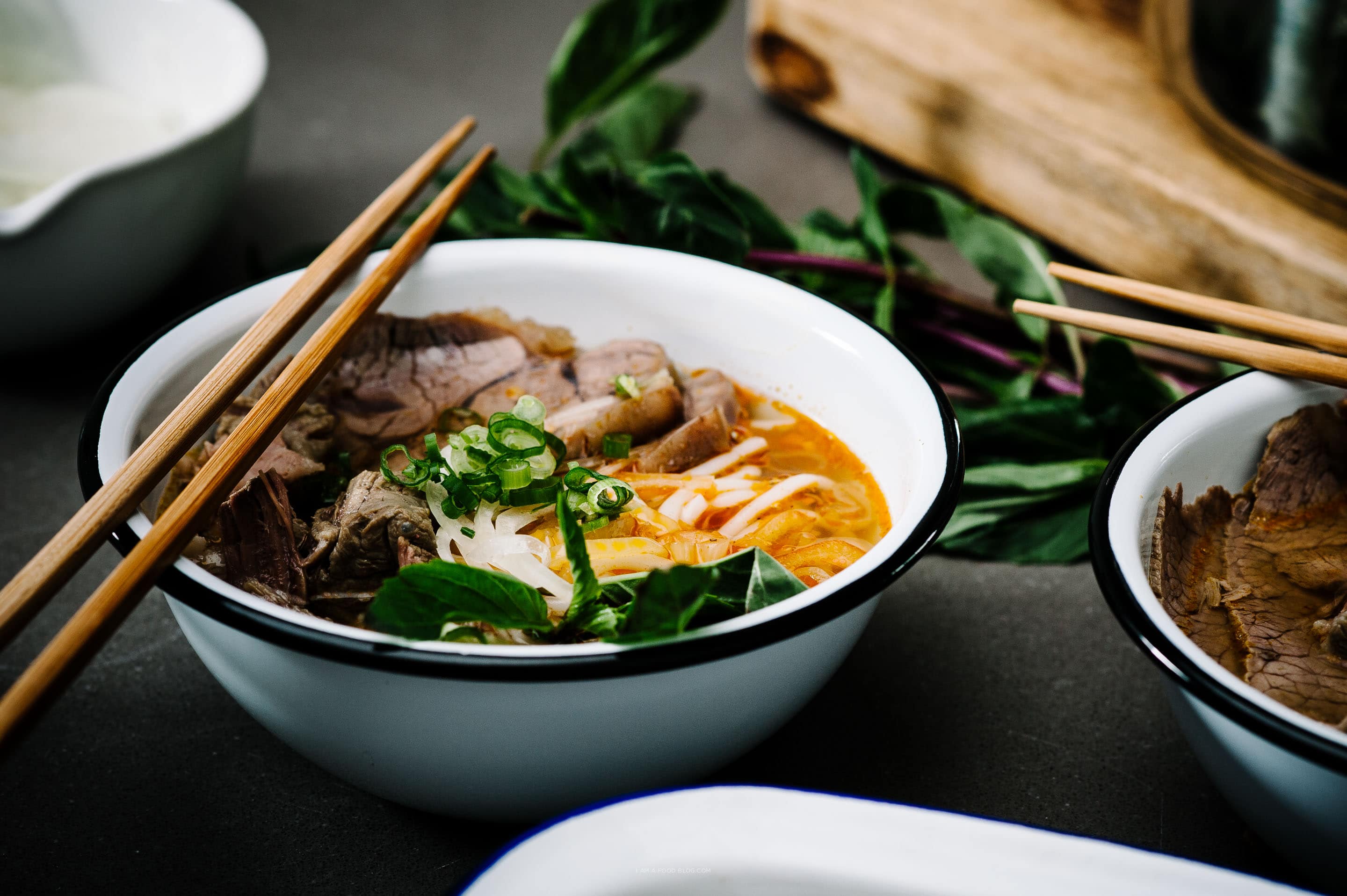
If Pho is Vietnam's gentle, aromatic ambassador to the soup world, Bún Bò Huế is its fiery cousin who rides a motorbike without a helmet. One sip of the deep crimson broth delivers a fast lesson in Central Vietnamese cooking: fragrant lemongrass, funky fermented shrimp paste, and enough chili oil to leave your lips tingling for hours.
Read the full guideFresh from the kitchen
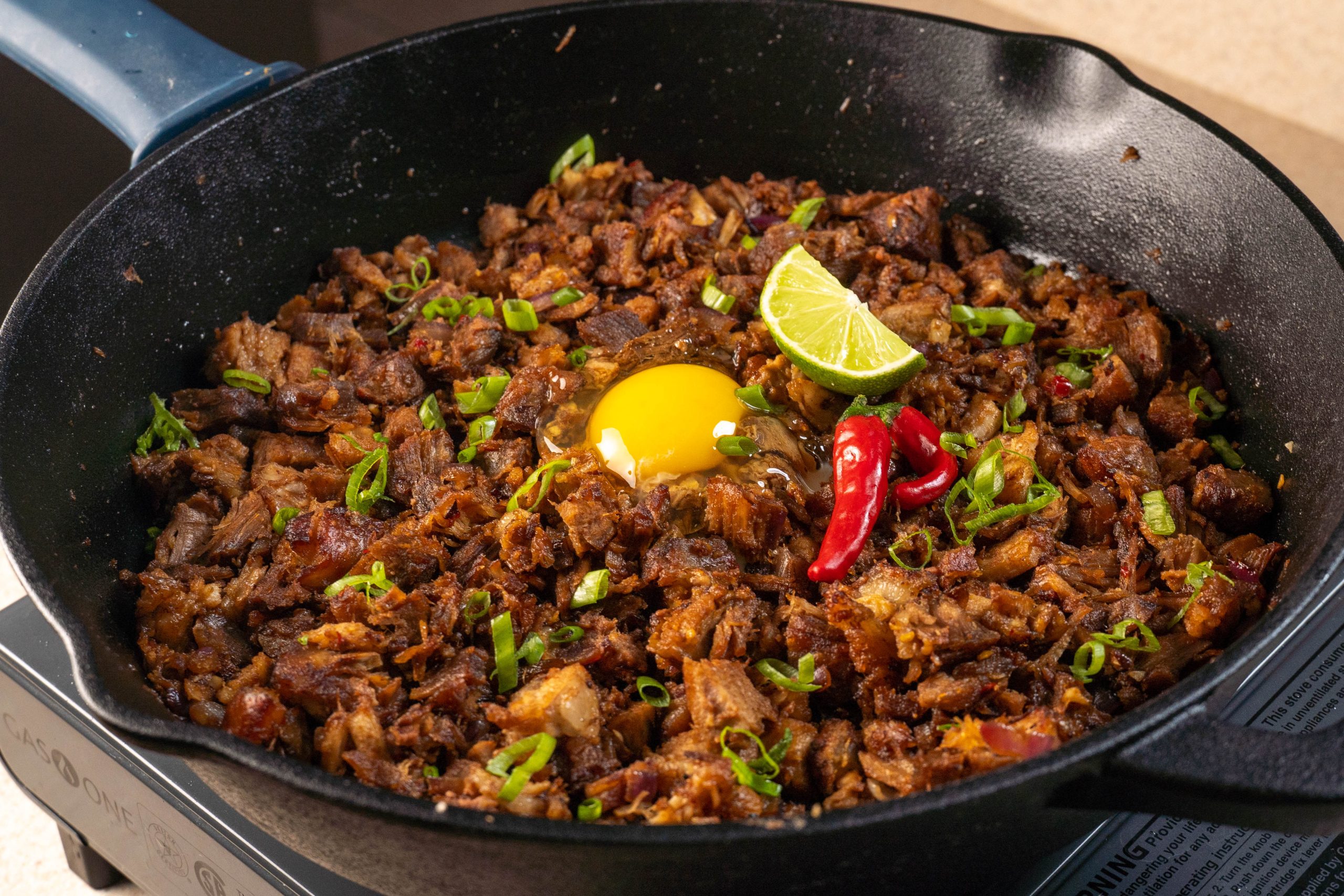
You usually hear sisig before you see it: a sizzling cast-iron platter spattering aromatic fat, charred pork, native citrus, and chopped chili straight to your table.
Read more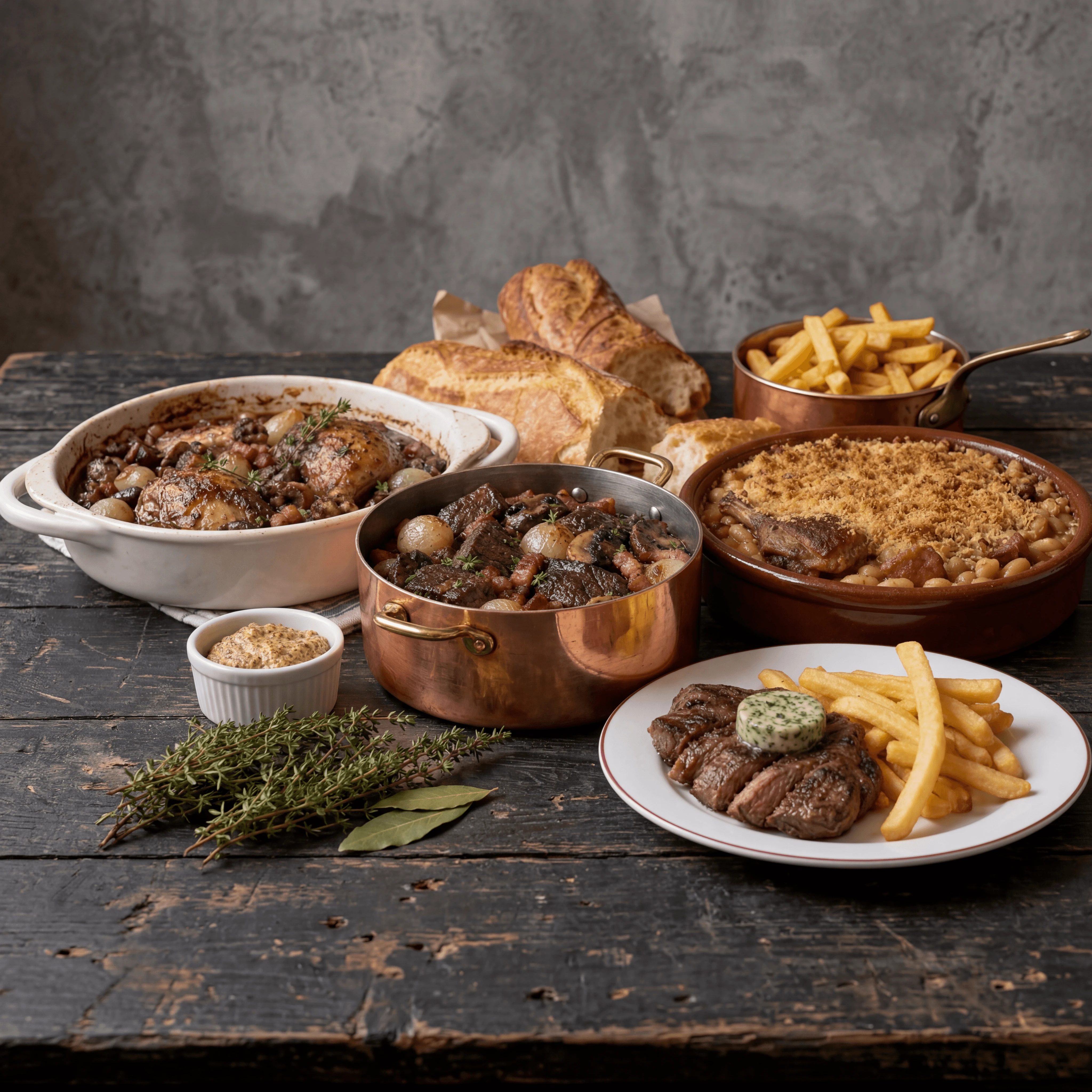
You step off Boulevard Montmartre into a wood-paneled hall that smells like roasted garlic and pan juices, where waiters in black vests dart between tables packed elbow-to-elbow. A waiter takes your order and scribbles the code directly onto your paper tablecloth with a red ballpoint pen. First courses cost three Euros, braised beef costs ten, and a pitcher of red wine costs less than a espresso in London. Welcome to the Parisian bouillon.
Read more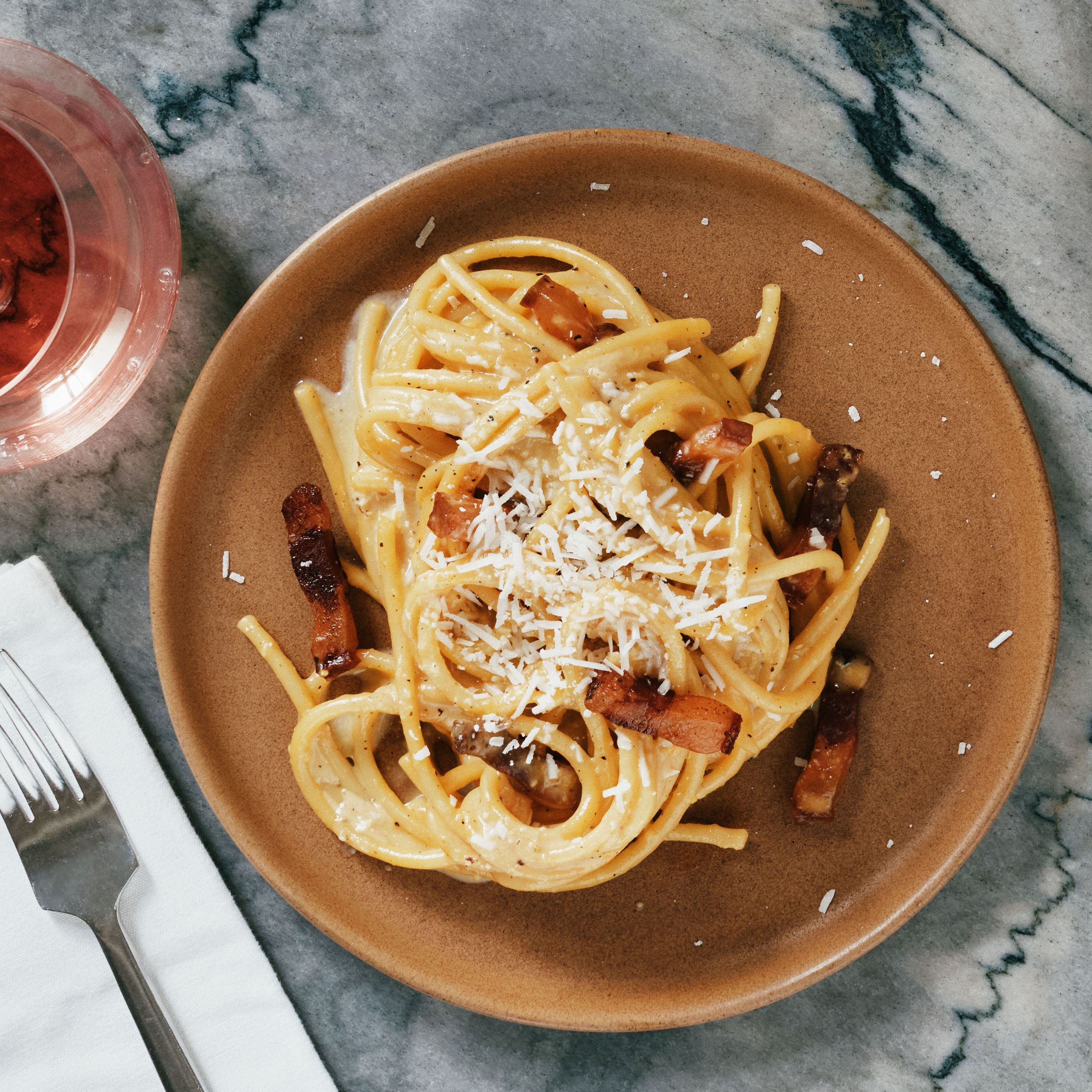
Standing outside a wood-paneled trattoria in Rome's Testaccio neighborhood, you stare at a handwritten paper menu clipped to a wooden clipboard. Beyond carbonara, the page fills with unfamiliar Roman dialect terms like pajata, coda, and puntarelle.
Read more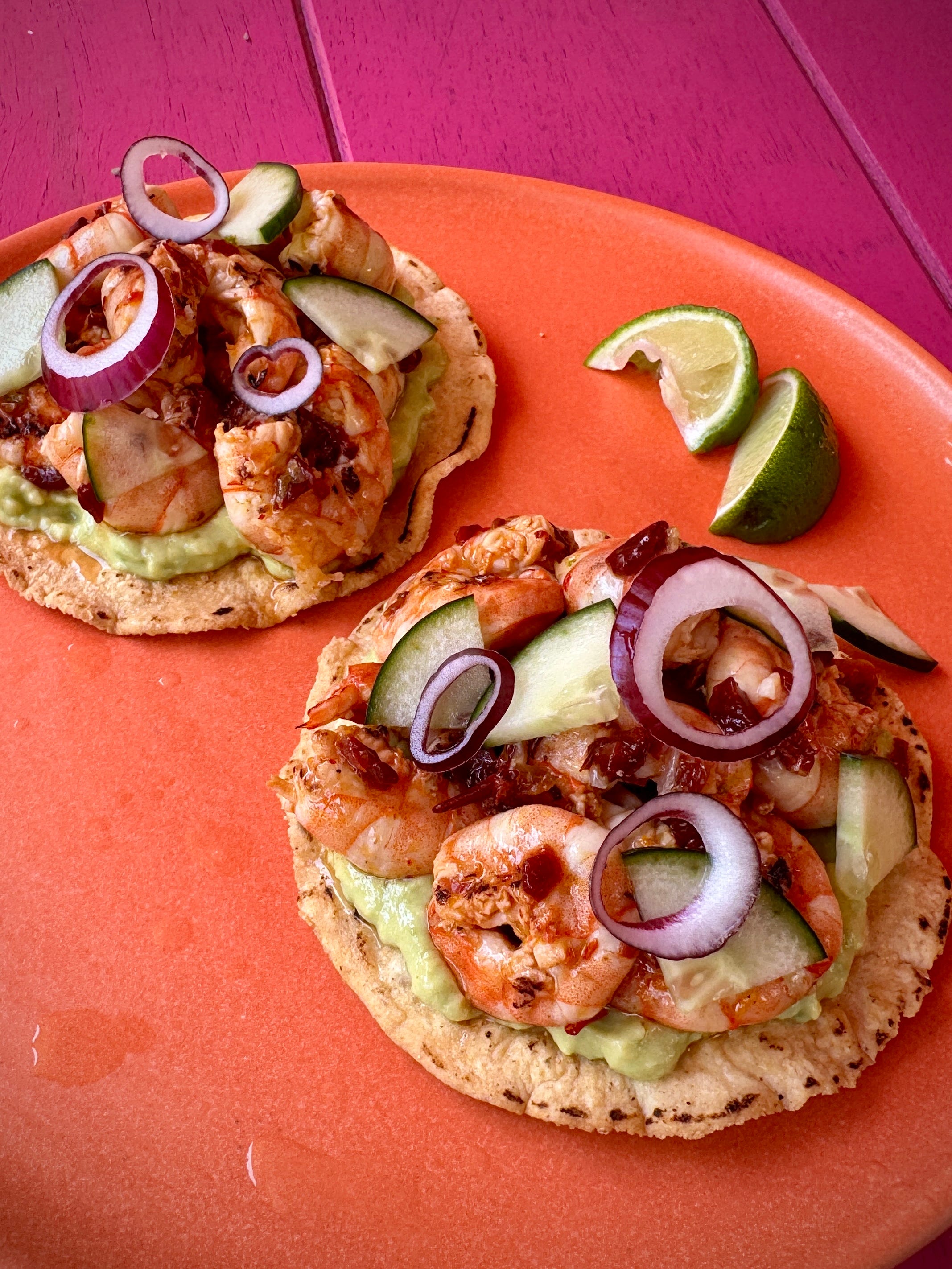
You sit at a laminate table while salt shakers and brown squeeze bottles shake to the rhythmic thumping of a brass banda band. A plastic-bound menu lands in front of you, glossy with water droplets from the ice buckets floating nearby. Half the dishes sound like icy hangover cures, while the other half promise whole fried fish draped in toasted garlic—and almost none of them offer clear translations.
Read more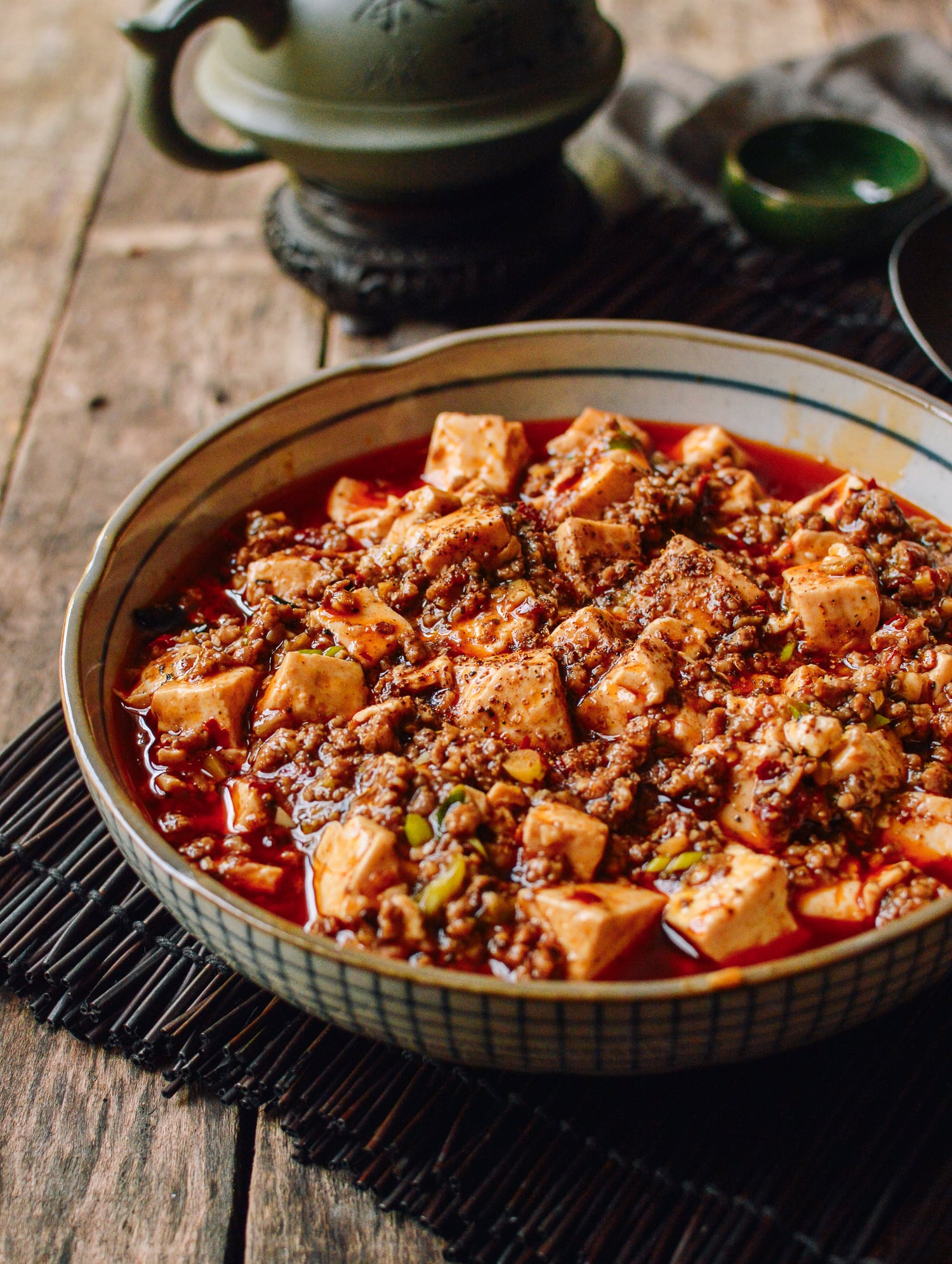
Your bottom lip buzzes like a quiet phone motor, and a bead of sweat breaks across your forehead after two spoonfuls. That electric, vibrating sensation isn't heat from chili peppers—it's the signature mark of Mapo tofu, Sichuan's most famous dish.
Read more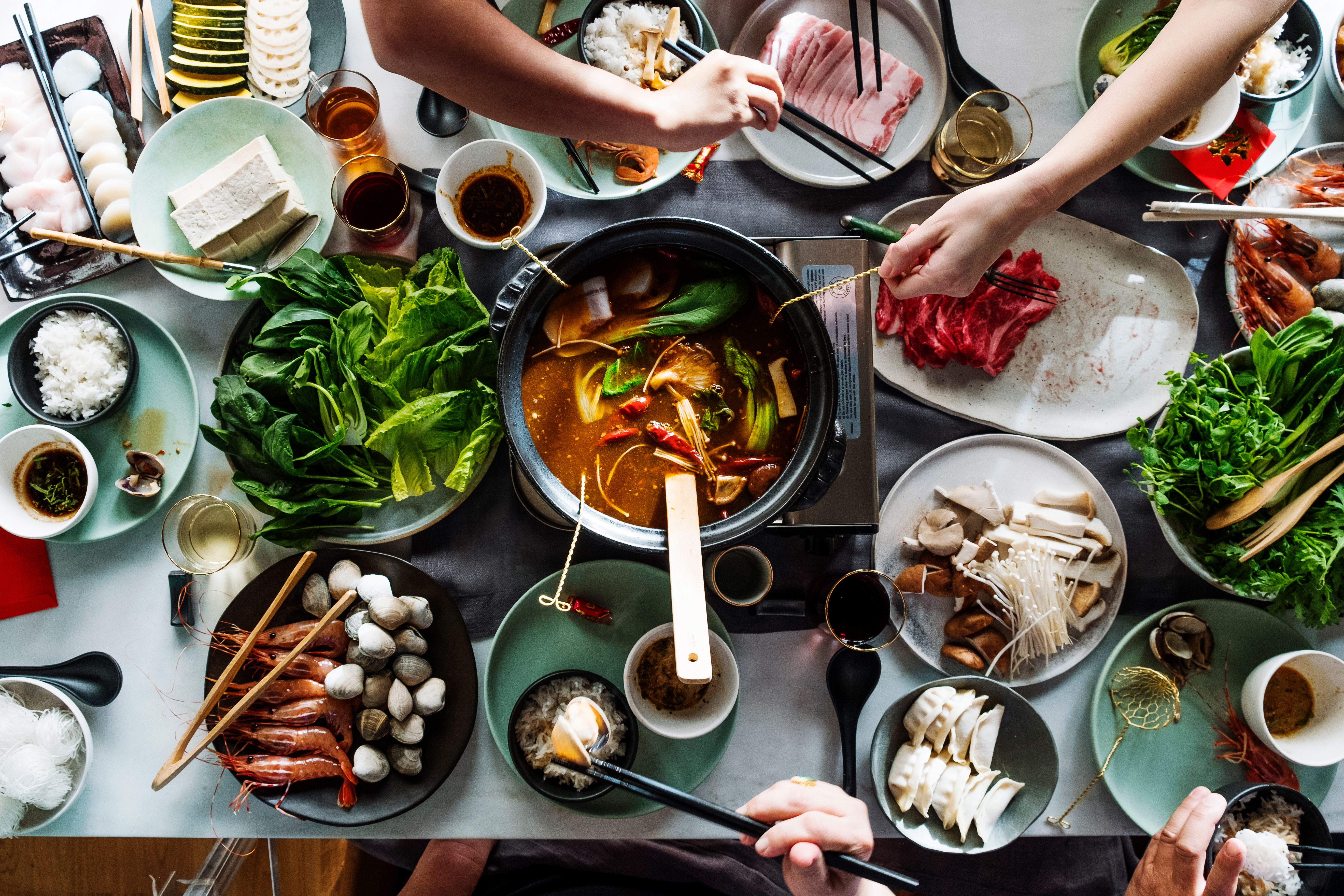
You sit down at a wooden table cut with a circular stainless steel induction burner in the middle. Instead of a standard glossy leather-bound menu, the server hands you a laminated checklist and a dry-erase marker. Dozens of checkboxes line the paper—broth bases, sliced meats, offal, mushrooms, pastes, and dipping condiments—often listed with minimal translation. Deciphering a hot pot order sheet can feel like taking a pop quiz before dinner, but once you break down the grid, it becomes the most customizable meal you will ever eat.
Read more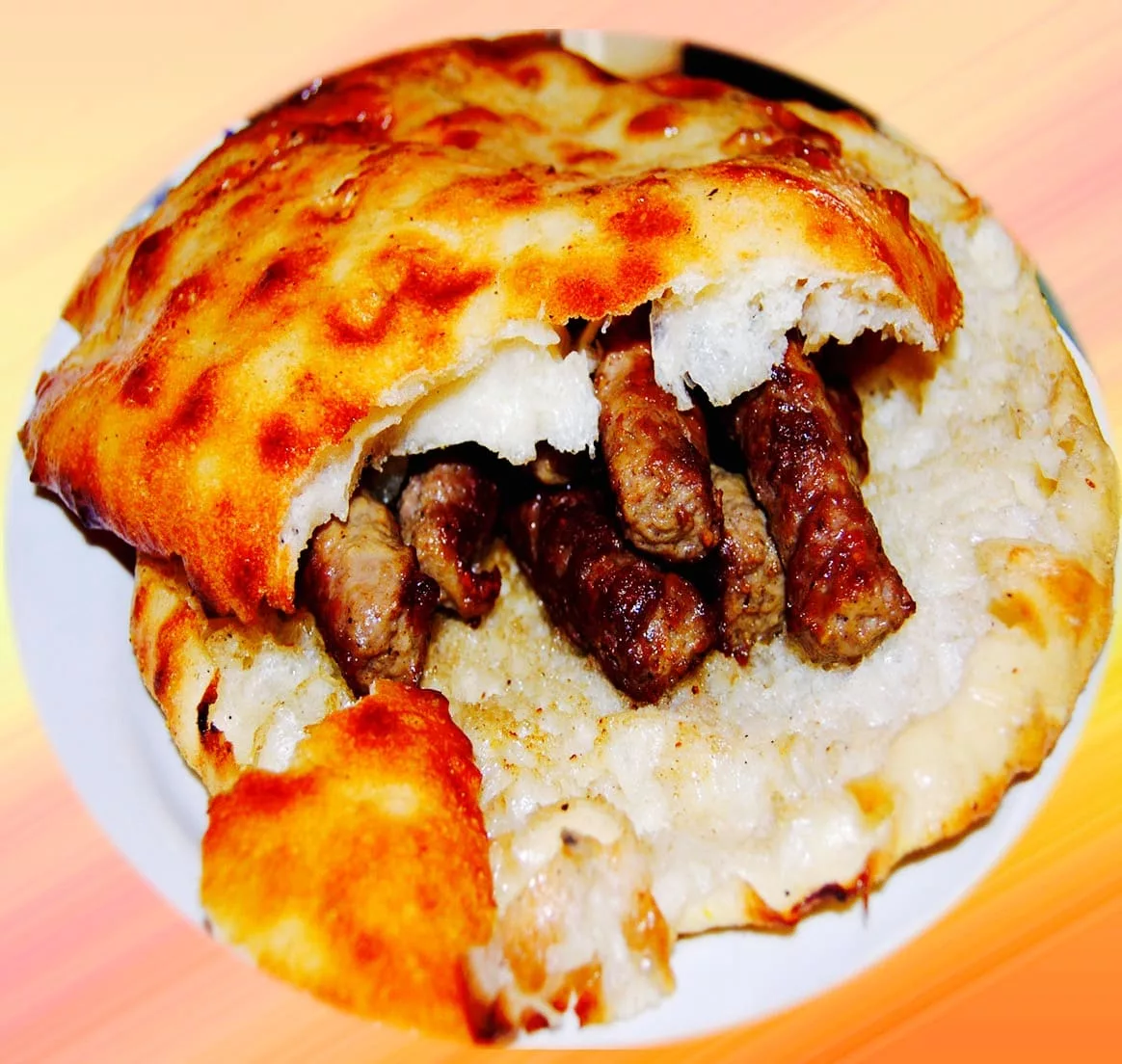
Walk into any dedicated ćevabdžinica from Sarajevo to Belgrade, and the heavy smoke of wood-fired grills hits you long before you open the door. What comes off those grates looks simple—a cluster of small, skinless sausages tucked into steamed flatbread—but the dish commands fierce regional pride.
Read more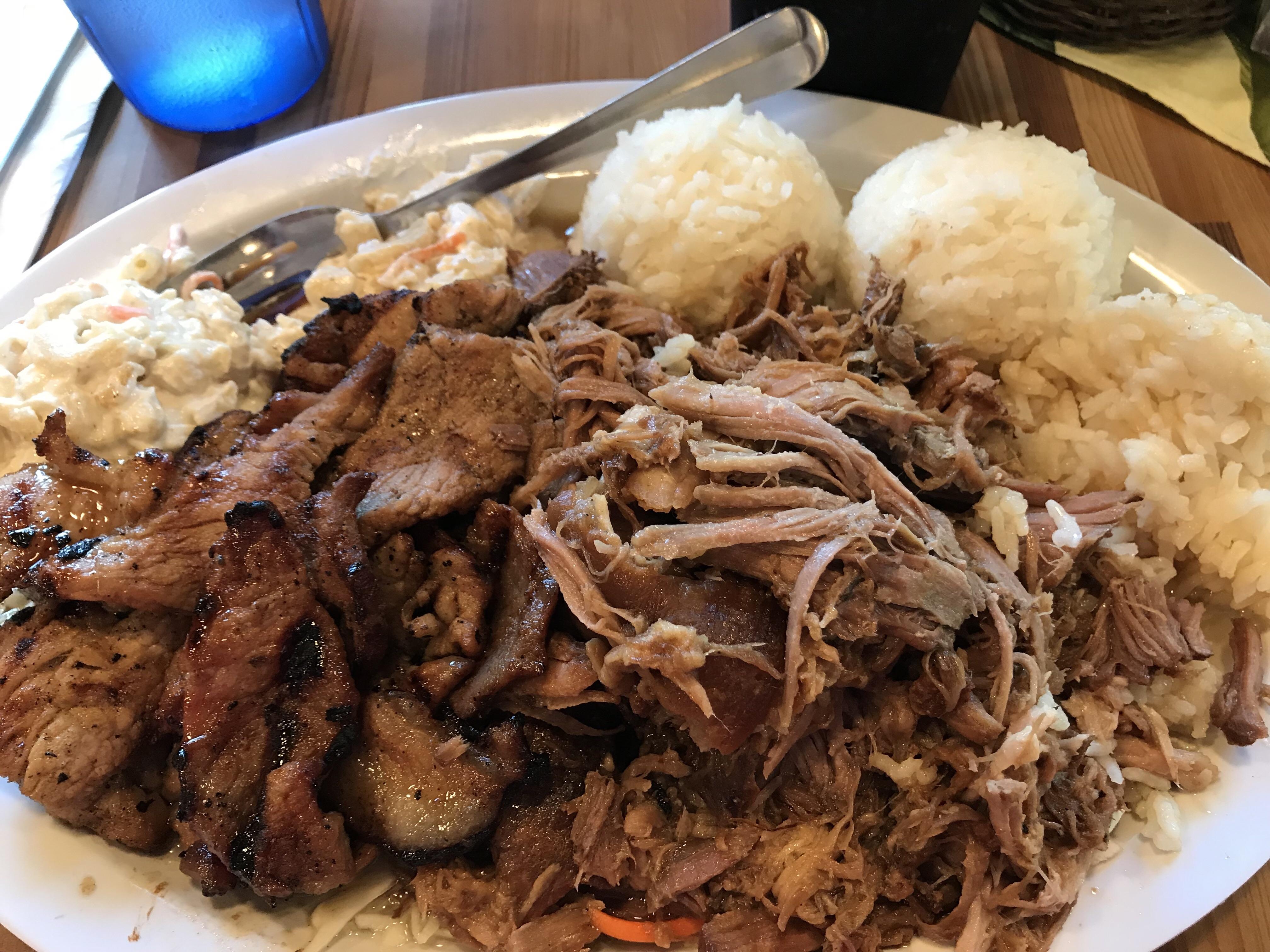
You stand in front of a sunburned letterboard on Oahu, staring at a list of heavy proteins, gravy options, and cryptic shorthand. Behind the glass counter, metal pans sizzle while lunch hour workers yell out orders like 'two-scoop, double mac, gravy all over.' If you don't know the template, ordering lunch in Hawaii can leave you with five pounds of starch you didn't mean to buy.
Read more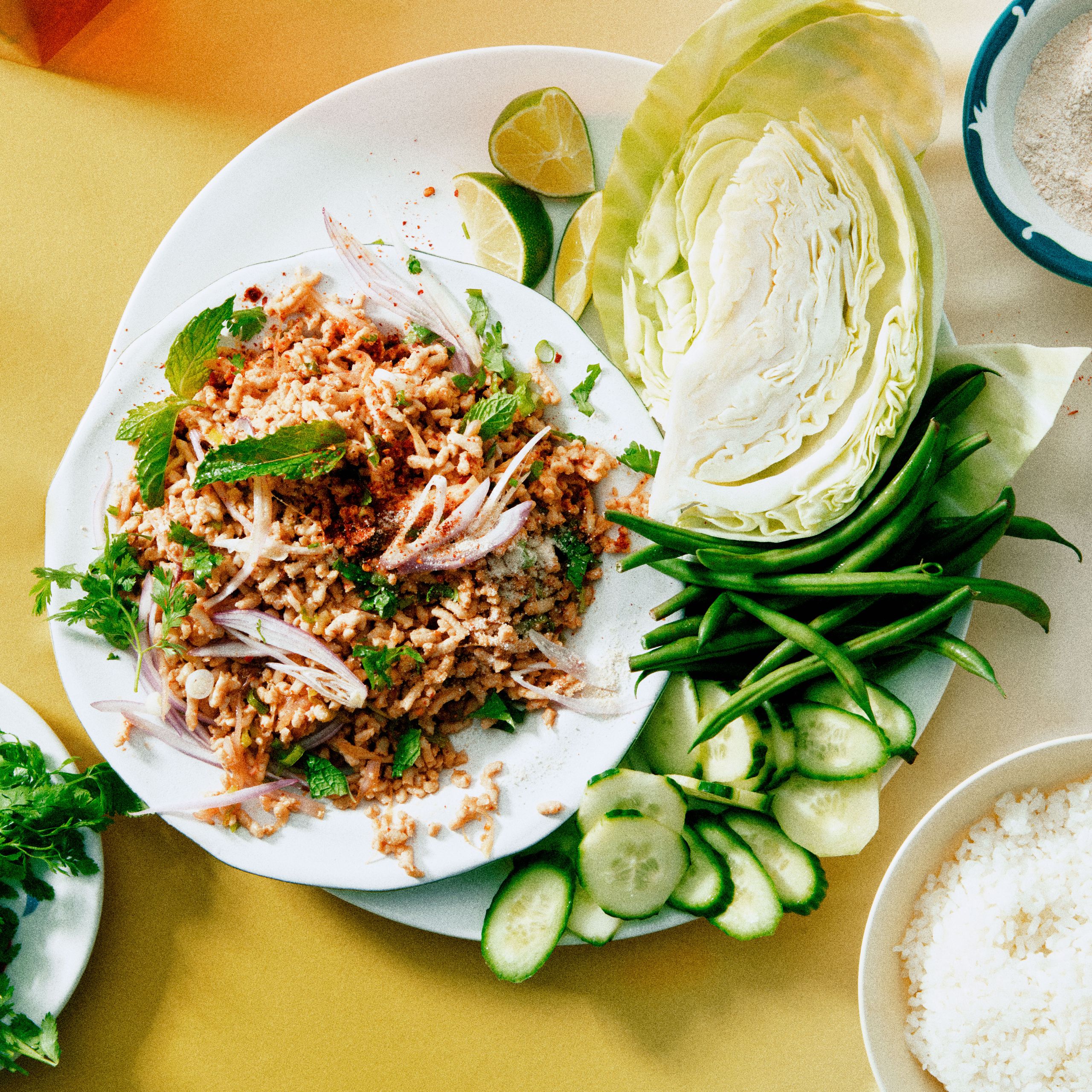
You sit down at a Thai or Laotian spot, skim past the pad thai, and see a dish described simply as a minced meat salad. It sounds almost underwhelming until a warm plate arrives piled with chopped chicken, torn mint leaves, slivered red shallots, and crushed dried chilies bright with lime juice. One bite hits you with sourness, heat, and a nutty crunch you cannot quite place.
Read more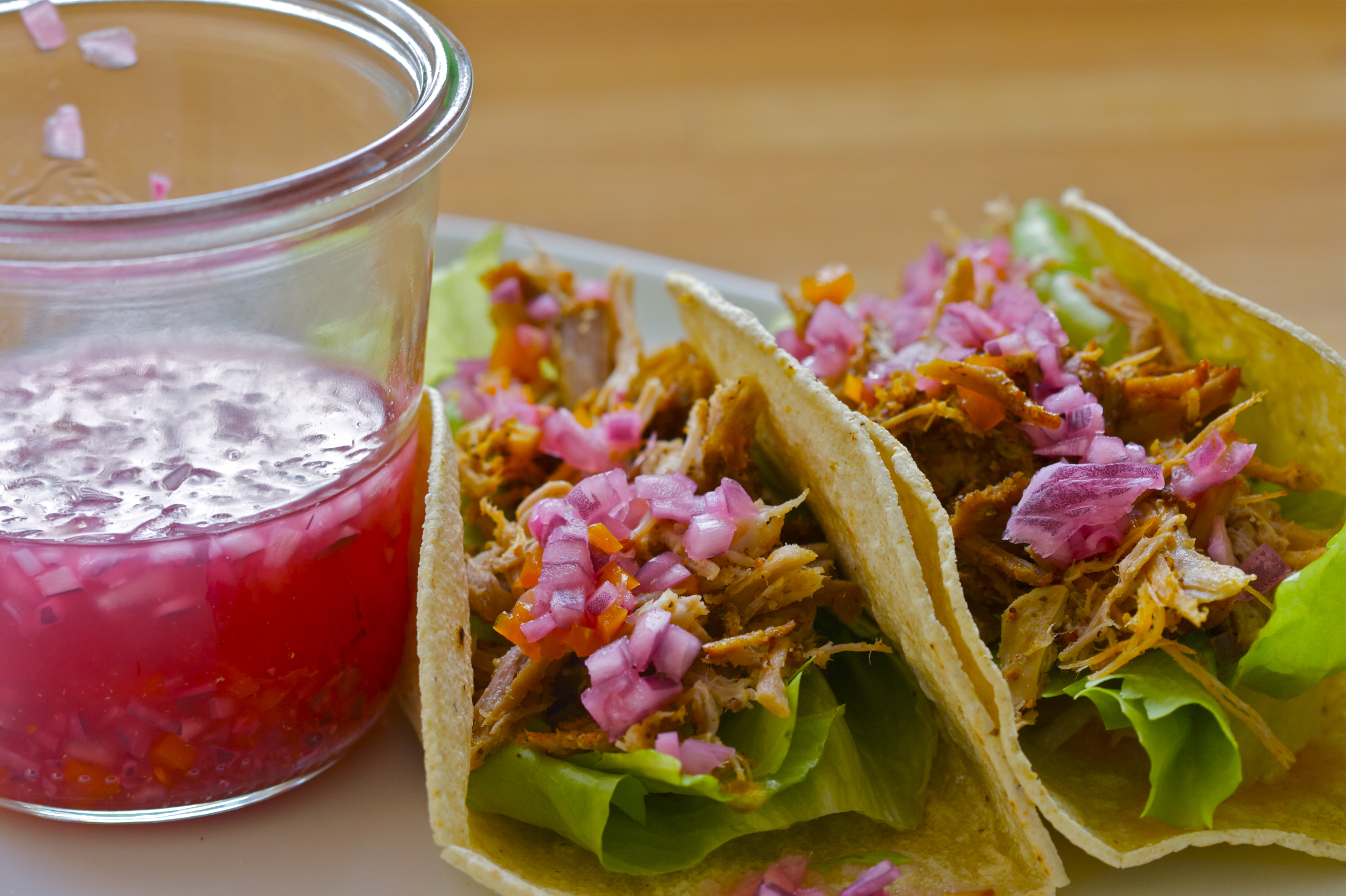
A clay bowl arrives, overflowing with tender shredded pork steeped in a vivid crimson sauce, topped with neon-pink pickled onions and a scatter of fiery habaneros. One bite delivers a rush of bright citrus, warm achiote spice, and woodsmoke.
Read more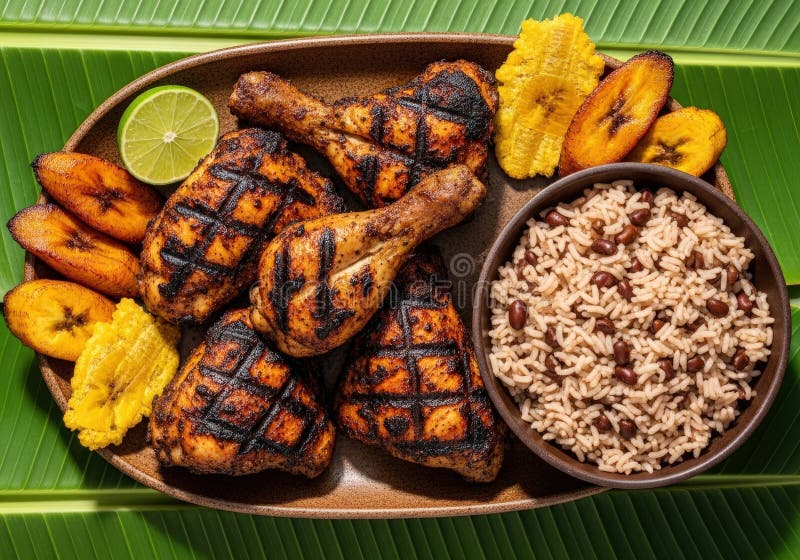
You step up to the steam table, greeted by the smell of pimento wood smoke and fried plantains. Handwritten paper signs taped to the glass read Escovitch, Mannish Water, and Small Curry Goat. The line behind you moves fast, and the server holding a metal spoon looks ready. If you stick only to familiar jerk chicken, you miss the slow-braised stews, rich gravies, and Rastafarian Ital pots that define true Jamaican cooking.
Read more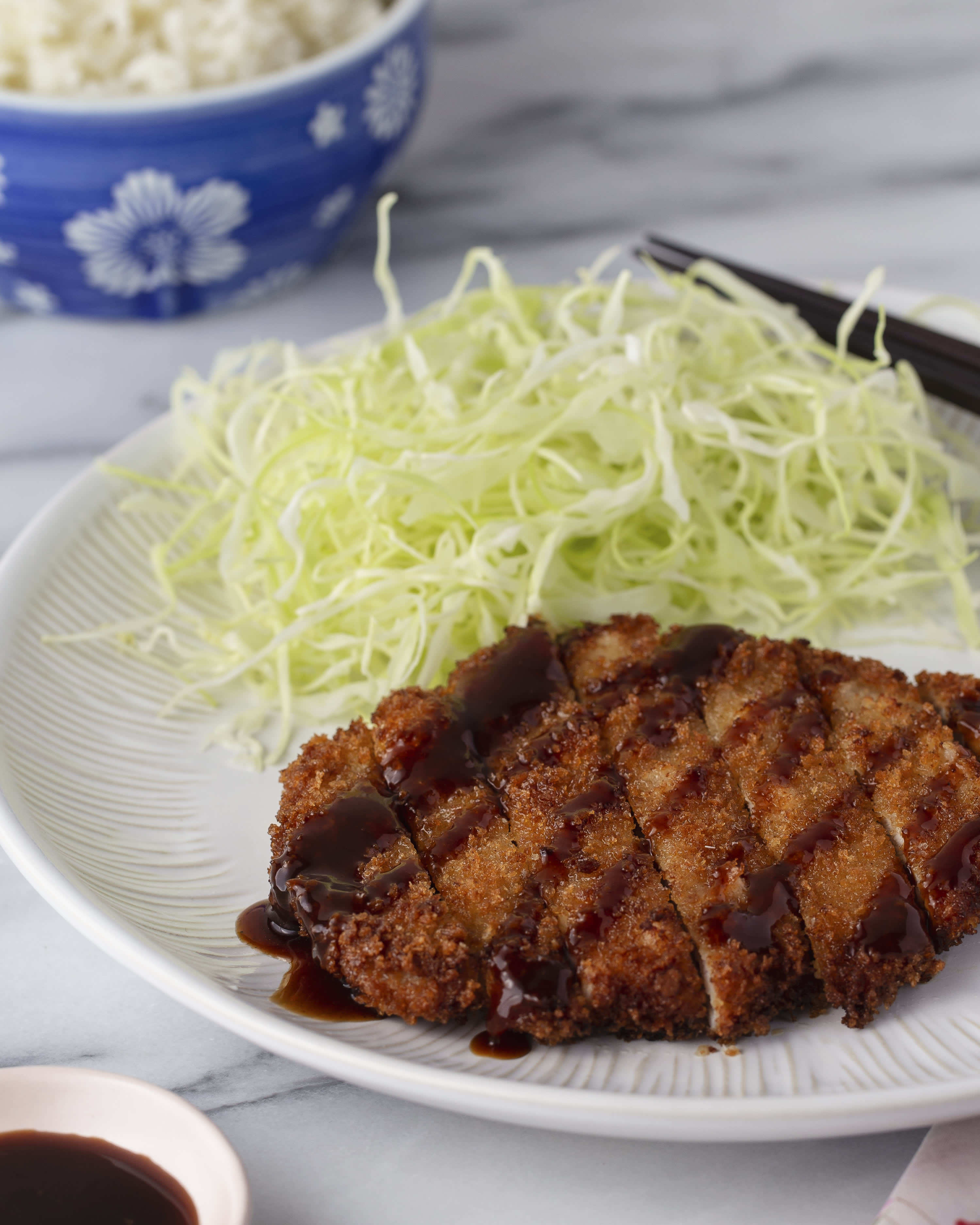
You sit down at a neighborhood tonkatsu specialist in Tokyo, and the menu lists six variations of fried pork cutlets with names that look almost identical. Outside of price, the main distinction comes down to fat content, pork breed, and how the kitchen prepares the table condiments.
Read moreStop guessing
Reading about food is great. Seeing it before you order is better. Scan any menu and MenuDish matches each dish with real photos, plus ingredients, allergens, and nutrition.
Browse by topic
No spam — just the food worth knowing about, straight to your inbox.
