Key takeaways
- Kimchi Jjigae is a deeply savory, spicy, and tangy Korean stew made primarily with aged kimchi.
- The stew's signature flavor comes from well-fermented (sour) kimchi, which breaks down during cooking.
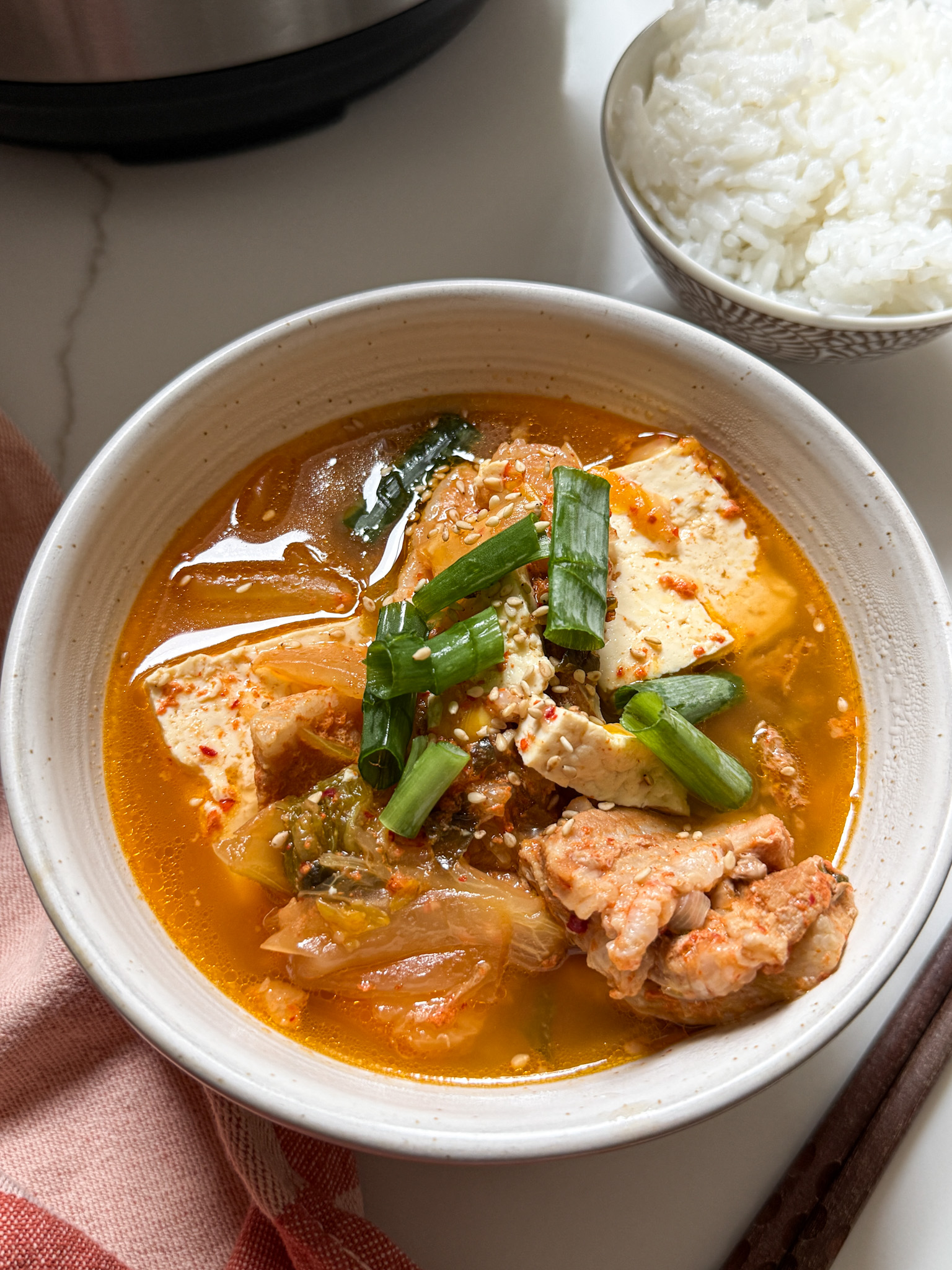
- Common additions include pork belly or tofu, giving it a rich texture and hearty feel.
- It's typically served bubbling hot in an earthenware pot, meant to be shared with rice and banchan.
- The flavor profile evolves from sour and spicy to a complex, umami-rich warmth as you eat.
Why Kimchi Jjigae is More Than Just 'Spicy Soup'
Forget any preconceptions of a simple broth. Kimchi Jjigae is a foundational dish in Korean cuisine, a staple that embodies warmth, comfort, and the incredible depth of fermented flavors. It's not just a soup; it's a stew, a meal in itself, often served as the centerpiece of a table.
Its magic lies in its primary ingredient: well-aged, sour kimchi. This isn't the fresh, crisp kimchi you might eat as a side dish. This is kimchi that's been given time to truly ferment, developing a profound tanginess and complexity that transforms when simmered. This sourness is the backbone, complemented by a fiery kick and a rich, savory umami that makes each spoonful addictive.
The Heart of the Matter: Aged Kimchi
The secret weapon of a truly great Kimchi Jjigae is its aged kimchi. When kimchi ferments, its lactic acid bacteria multiply, creating that distinct sourness. This acidity is crucial. As it cooks, it mellows slightly, but its character remains, cutting through the richness of other ingredients and creating a balanced, bright flavor.
Alongside the kimchi, you'll typically find gochugaru (Korean chili flakes) for heat, gochujang (fermented chili paste) for depth and sweetness, garlic, and often a splash of gook-ganjang (Korean soup soy sauce) or fish sauce for a salty, umami punch. These ingredients work in harmony to build a flavor profile that is robust, layered, and deeply satisfying.
Beyond the Basics: Common Add-ins and Variations
While aged kimchi is non-negotiable, the supporting cast in Kimchi Jjigae can vary. The most classic version often includes fatty cuts of pork, like pork belly or shoulder, which render their fat into the broth, adding incredible richness. You might also find:
- Tofu: Soft or firm tofu cubes are a common addition, soaking up the flavorful broth.
- Mushrooms: Enoki or oyster mushrooms bring an earthy texture.
- Onions and Scallions: For aromatic sweetness and a fresh bite.
- Dubu (Firm Tofu): Often pan-fried before being added for a different texture.
- Tuna or Canned Saury: Some variations use seafood instead of pork, offering a different kind of umami.
- Instant Ramen Noodles: A popular, comforting addition, especially in more casual settings.
Each addition subtly shifts the stew's character, but the core kimchi flavor always shines through.
How it Tastes, Feels, and What to Expect
When your Kimchi Jjigae arrives, it will almost certainly be bubbling vigorously in a stone pot (dolsot or ttukbaegi), keeping it hot throughout your meal. The aroma alone is enticing: a mix of spicy, savory, and a hint of that signature fermentation.
The first spoonful delivers a powerful burst of flavor: a bright, assertive tang from the kimchi, followed by a comforting heat that warms you from the inside. There's a deep savoriness from the pork (if present) and a silky texture from the cooked kimchi, which has softened into the broth. The tofu, if added, provides a gentle counterpoint to the spice, while rice is essential for soaking up every last drop of the rich, red broth.
It's a dish that evolves as you eat, the flavors deepening and melding further in the residual heat of the pot. It's meant to be eaten communally, often with a bowl of rice and various banchan (small side dishes) to balance the intensity.
Ordering Kimchi Jjigae Like a Local
Ordering Kimchi Jjigae is usually straightforward. Most menus will simply list it as 'Kimchi Jjigae,' sometimes with a protein specified (e.g., 'Pork Kimchi Jjigae' or 'Tuna Kimchi Jjigae'). Don't be shy about asking for your preferred spice level if the option is available; some places can dial it up or down.
It's always served with a bowl of white rice, which you can eat separately or mix into the stew. And of course, expect a generous array of banchan – those delightful small side dishes like seasoned bean sprouts, pickled radishes, and other types of kimchi – that provide textural and flavor contrast to the hearty stew. If you're unsure what a specific ingredient listed on the menu might be, an app like MenuDish can help by showing you real dish photos and translating unfamiliar terms, so you know exactly what's coming before you order.
MenuDish & Your Next Korean Adventure
Venturing into the rich world of Korean cuisine can be incredibly rewarding, and Kimchi Jjigae is just one of its many treasures. For those moments when you encounter a new dish or an unfamiliar ingredient on a menu, MenuDish is a helpful tool. It uses AI to scan and read menus, translating dish names and surfacing ingredients, allergens, and nutrition information. Best of all, it matches menu items to real dish photos from photo databases, so you can see what dishes like Kimchi Jjigae actually look like before you commit. No more guessing games, just delicious discoveries.
Don't cook it — find it.
See every dish on any menu before you order. Scan, see the photo, check allergens & nutrition.