Key takeaways
- A tagine is both the traditional North African earthenware cooking vessel and the slow-cooked stew prepared within it.
- Tagines are known for their rich, aromatic flavors, achieved through long simmering with spices, meat (or vegetables), and often dried fruits or preserved lemons.
- The conical lid of the tagine pot traps steam, tenderizing ingredients and concentrating flavors, resulting in intensely moist dishes.
- While traditionally served communally directly from the pot, you'll often find individual portions in restaurants.
- Common variations include lamb with prunes, chicken with olives and preserved lemon, and various vegetarian options with seasonal vegetables.
More Than Just a Pot: The Soul of North African Cooking
Let's clear this up right away: a tagine refers to both the distinctive earthenware cooking pot with its iconic conical lid and the delicious, slow-cooked stew that’s prepared inside it. Think of it like a Dutch oven – it’s a specific kind of pot, but also the hearty braises you make in it.
The tagine pot, with roots stretching back centuries in North Africa, particularly Morocco, is ingeniously designed. Its heavy base evenly distributes heat, while the tall, conical lid traps steam, condensing it back into the dish. This creates an incredibly moist, tender environment, perfect for transforming tougher cuts of meat and infusing ingredients with complex flavors without needing much added liquid. It’s a testament to ancient culinary wisdom, making the most of available resources in arid climates.
A Symphony of Flavors: What Makes a Tagine Taste So Good?
The magic of a tagine lies in its flavor profile. These stews are a masterclass in balancing sweet, savory, and aromatic notes. You’ll find a generous use of spices like cumin, ginger, turmeric, paprika, and saffron, often combined with warming cinnamon and a touch of black pepper. The result isn't spicy heat, but rather a deep, resonant warmth that permeates every bite.
Beyond the spices, key ingredients often include onions, garlic, fresh herbs like cilantro and parsley, and a careful selection of meat or vegetables. Dried fruits such as prunes, apricots, or raisins often lend a subtle sweetness, while preserved lemons and olives introduce a bright, briny tang that cuts through the richness. This interplay of ingredients creates a truly unique and memorable taste experience.
Common Tagine Variations to Look For on the Menu
When you see 'tagine' on a menu, it could be one of many delightful variations. Here are some of the most popular:
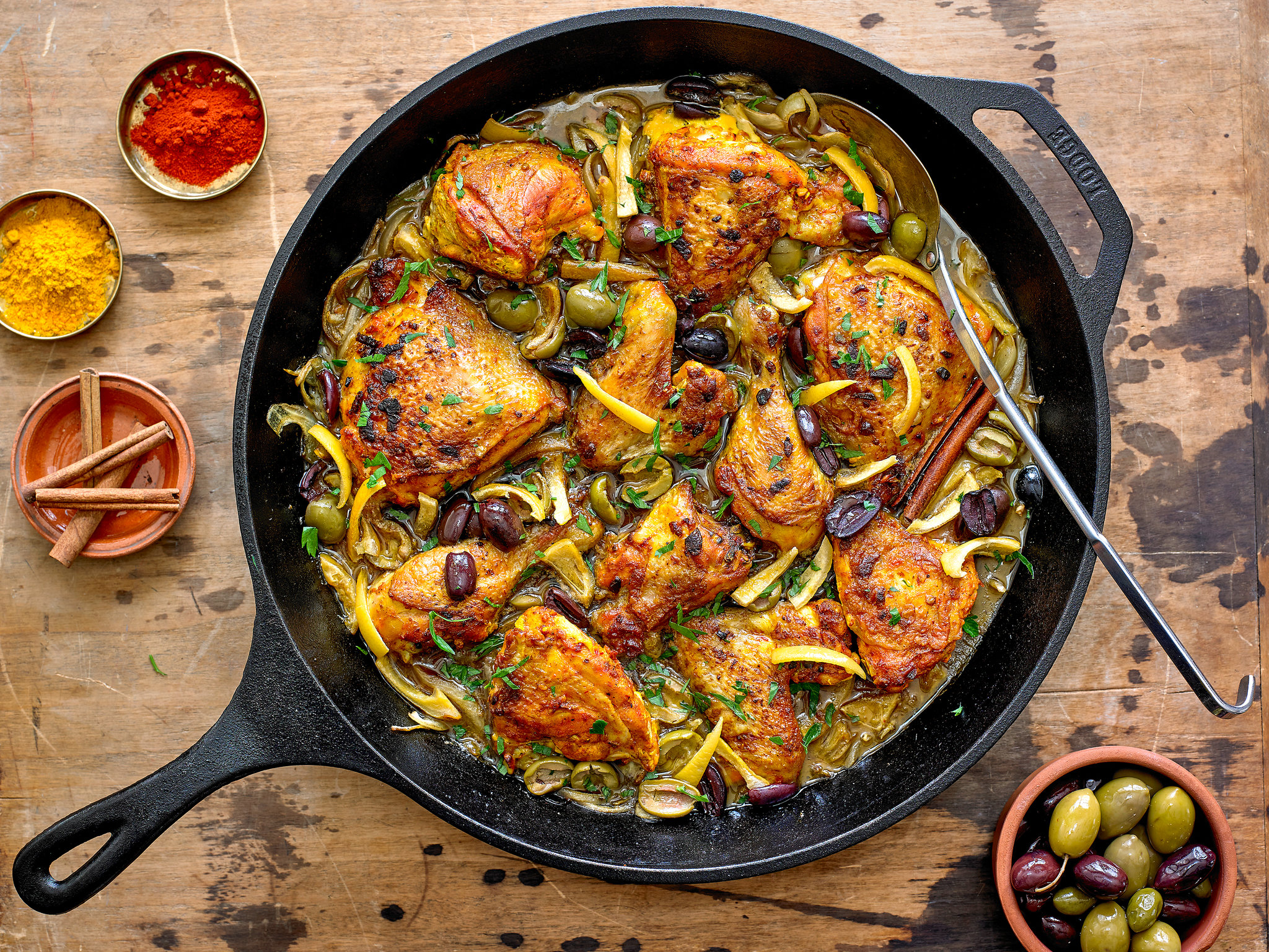
- Chicken with Olives and Preserved Lemon: This is arguably the most classic and widely loved. Tender chicken pieces are simmered with green olives, the intensely salty and citrusy preserved lemons, and a rich, golden sauce. It's bright, savory, and utterly satisfying.
- Lamb or Beef with Prunes and Almonds: A decadent, slightly sweeter option. Slow-cooked lamb or beef becomes meltingly tender, often paired with sweet prunes, toasted almonds, and a touch of honey or argan oil. The sauce is typically darker and richer.
- Kefta Tagine: Featuring spiced meatballs (kefta) often cooked in a tomato-based sauce, sometimes topped with a cracked egg. It's hearty and comforting, a favorite for many.
- Vegetarian Tagine: Don't overlook these! Moroccan cuisine excels at vegetarian dishes. You'll find tagines brimming with seasonal vegetables like carrots, potatoes, zucchini, chickpeas, and sometimes even sweet potatoes or pumpkin, all slow-cooked in that fragrant spiced broth.
Each variation offers a distinct experience, but all share that characteristic tenderness and depth of flavor.
How Tagine is Served & What to Expect
Traditionally, a tagine is a communal dish, brought to the table in its earthenware pot, the conical lid dramatically lifted to release a cloud of aromatic steam. Diners gather around, scooping up portions with pieces of crusty bread (khobz) rather than utensils. The bread is essential for soaking up every last drop of the rich sauce.
In many restaurants outside of North Africa, however, you might receive an individual portion served in a smaller, often decorative tagine pot, or simply plated onto a dish. It’s almost always accompanied by bread, and sometimes couscous on the side. The meat should be fork-tender, falling off the bone, and the vegetables soft but still holding their shape. The sauce is the star – thick, glossy, and intensely flavorful.
If you're ever unsure about what specific ingredients are in a tagine or if it meets your dietary needs, a quick check with an app like MenuDish can be helpful. It lets you see real dish photos and often provides ingredient lists and allergen information, so you know exactly what’s coming before you order.
The True Taste of Morocco, One Spoonful at a Time
A tagine is more than just a meal; it's an experience. It embodies the hospitality and rich culinary heritage of North Africa, a dish meant to be savored slowly, shared, and enjoyed. The next time you spot it on a menu, you’ll know exactly what marvel awaits beneath that iconic conical lid.
Don't cook it — find it.
See every dish on any menu before you order. Scan, see the photo, check allergens & nutrition.