Key takeaways
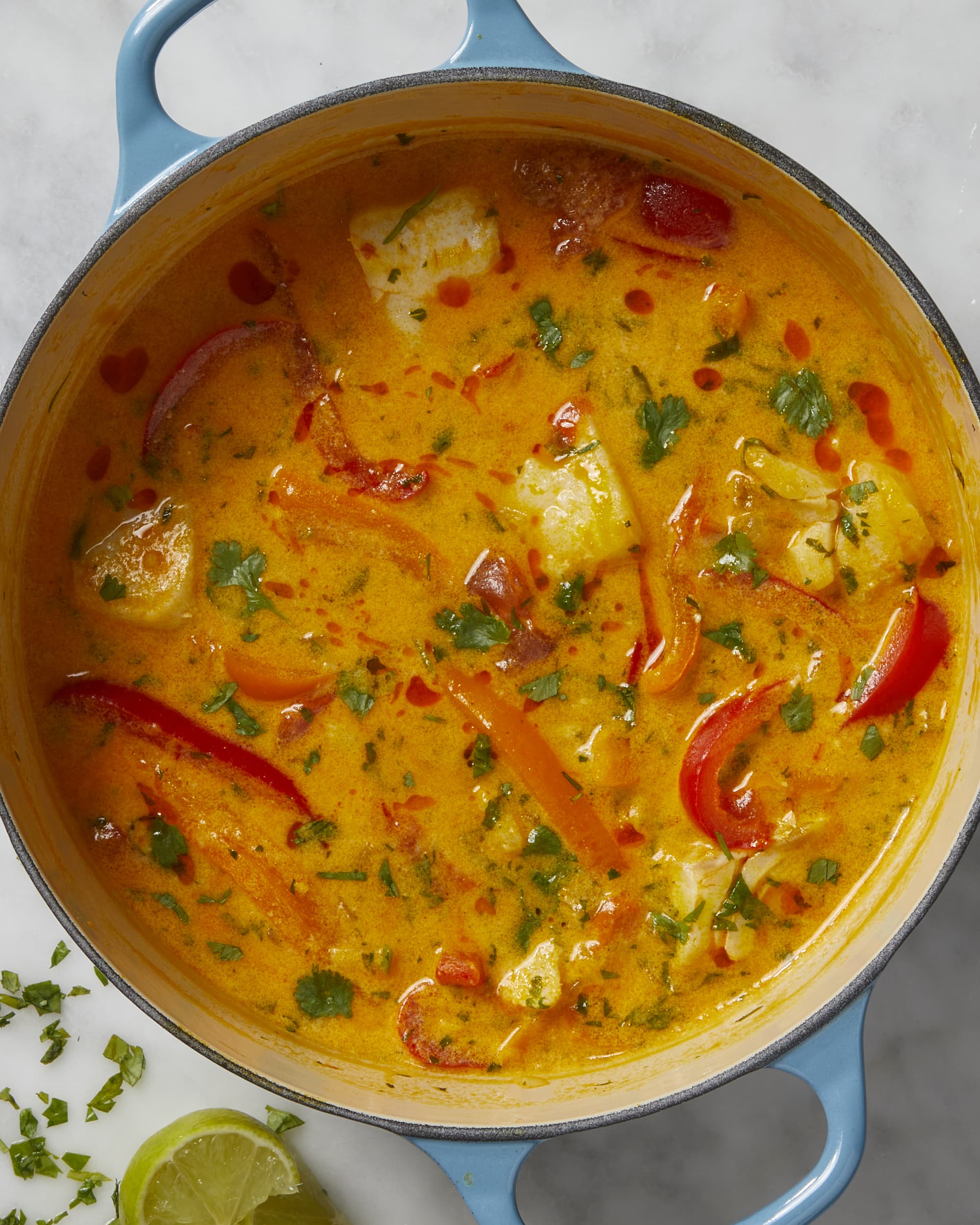
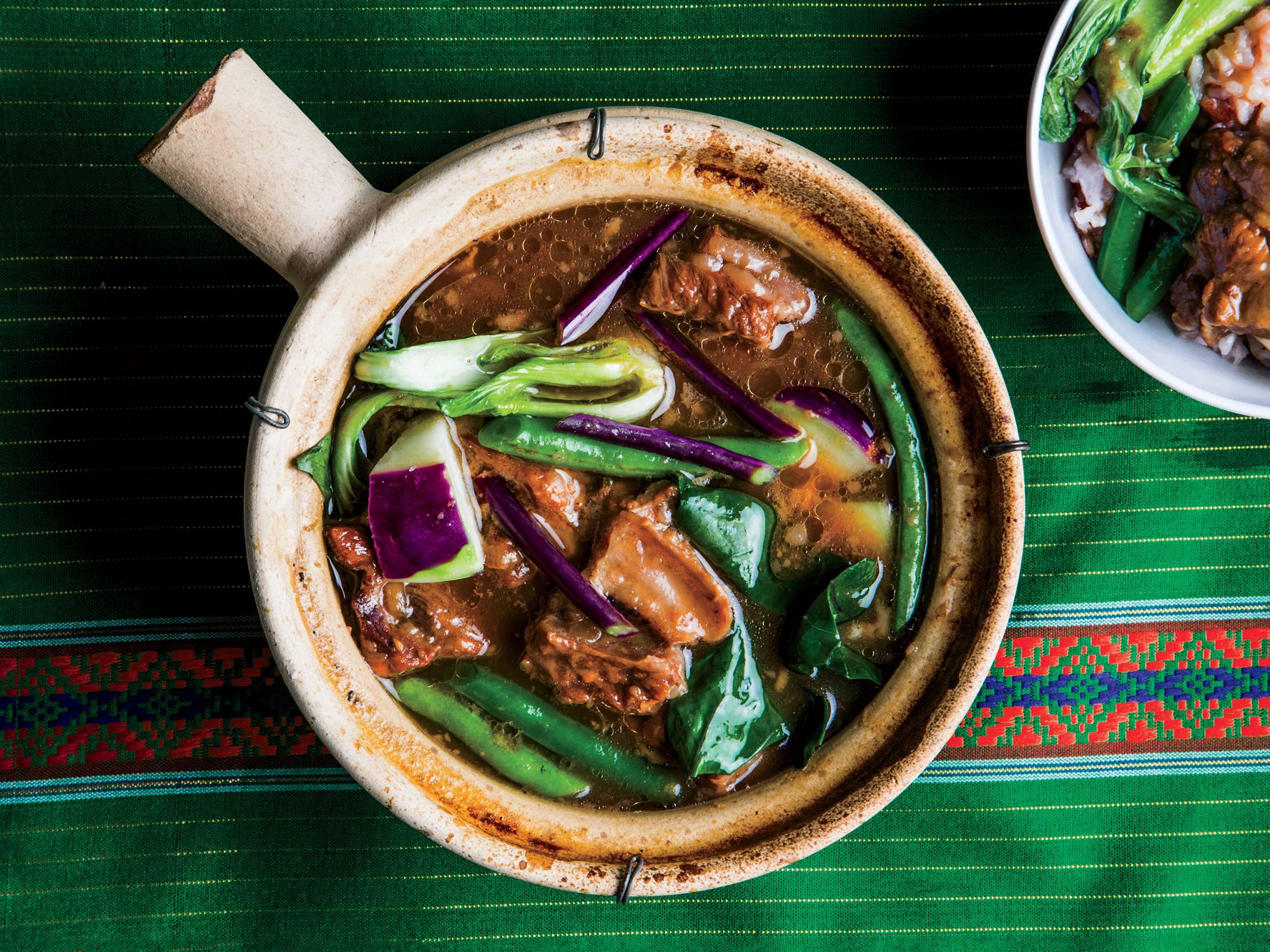
- Sinigang is a savory, sour Filipino soup anchored by fruit souring agents, most notably green tamarind.
- Pork belly (baboy) is the most common protein, but milkfish (bangus) and shrimp (hipon) are equally traditional.
- Taro root melts slightly to thicken the broth, balancing crisp vegetables like water spinach and long beans.
- Always eat it spooned over white rice, paired with fish sauce and crushed bird's eye chilies on the side.
That First Sharp Sip: What Makes Sinigang Unique
Where many Southeast Asian soups rely on lime juice added at the very end or dark coconut broths enriched with sweet spices, Sinigang builds its entire personality on cooked sourness. The tartness is boiled directly into the broth, extracting acid from green fruits alongside rendered fat and marrow.
The result is a clear to slightly cloudy broth that strikes a direct contrast between bright, fruit-driven acidity and deep meatiness. It feels restorative on hot, humid afternoons and grounded on rainy evenings in Manila.
Sampalok, Guava, and Kamias: The Art of the Sour Broth
Unripe green tamarind, known locally as sampalok, is the classic souring base. Cooks boil the pods until soft, mash them through a fine sieve to squeeze out the acidic pulp, and swirl that liquid into the simmering stock.
However, regional cooks swap souring bases depending on what fruit tree is fruiting in the backyard:
Bayabas (Guava): Ripe guava yields a milder, slightly sweet sourness with a thick, aromatic body, often paired with pork or milkfish.
Kamias (Bilimbi): A hyper-acidic, small green fruit that produces an intense, sharp sour kick often used for delicate seafood.
Mangga (Green Mango): Unripe green mango delivers a crisp, bright citrus-like tartness during seasonal months.
Baboy, Bangus, or Hipon: Choosing Your Protein
Scan any Filipino menu and you will spot several variations on the standard formula. The choice of protein changes the character of the dish significantly:
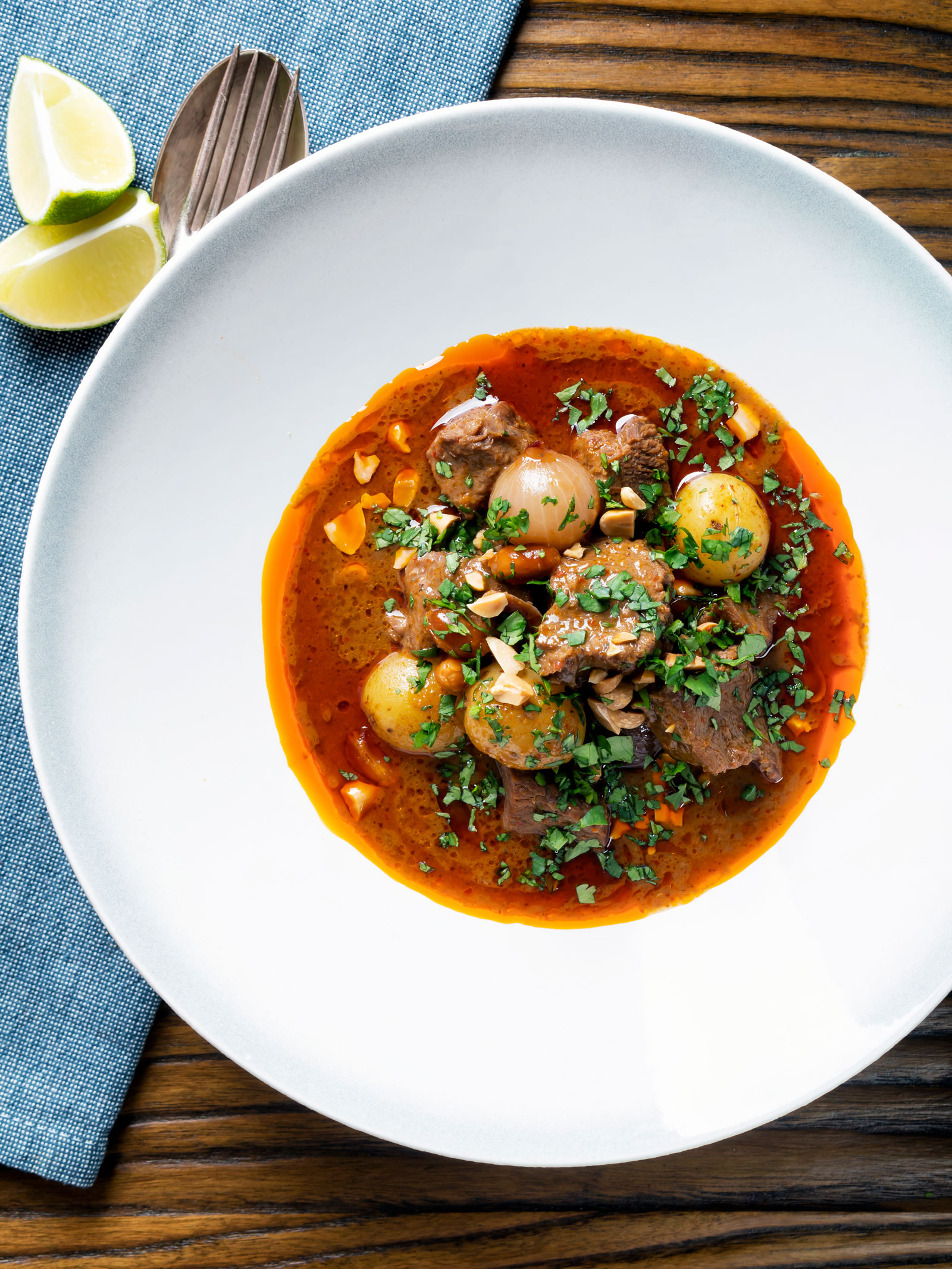
Sinigang na Baboy: Pork belly or ribs stewed until the connective tissue turns tender. The rendered pork fat softens the sharp edge of the tamarind.
Sinigang na Bangus: Milkfish—the national fish of the Philippines—simmered whole or sliced. The belly fat of the milkfish melts directly into the broth.
Sinigang na Hipon: Giant prawns or head-on shrimp cooked quickly so they stay juicy. The rich shrimp heads flavor the broth with a sweet, oceanic depth.
When reviewing a restaurant menu with short English summaries, using MenuDish helps match native Tagalog dish titles to real photos so you can immediately see whether a seafood option features whole fish or cut fillets before ordering.
Taro, Kangkong, and Green Chilies: The Pot's Ecosystem
A proper pot of Sinigang is packed with contrasting textures. Taro root (gabi) simmered in the soup breaks down slowly around the edges, lending a silky starchiness to the liquid.
Leaves of water spinach (kangkong) and sliced radish (labanos) add freshness, while long green chili peppers (siling haba) float near the surface. These peppers don't make the soup fiery; instead, they release a grassy aroma and gentle warmth into the sour pot.
How to Eat Sinigang Like a Local
Sinigang is never eaten as a standalone starter soup in a small bowl. It sits at the center of the table in a large bowl, surrounded by steaming plates of white rice.
Ladle a generous portion of meat, vegetables, and hot broth directly over your bed of rice so the grains soak up the sour broth. On the side, mix a small saucer of fish sauce (patis) with a crushed bird's eye chili (siling labuyo). Dip pieces of pork or fish into this salty condiment before every bite to balance the tart broth.
Don't cook it — find it.
See every dish on any menu before you order. Scan, see the photo, check allergens & nutrition.
Allergens: Fish, Crustaceans. The MenuDish app flags these automatically for every dish it scans.