Key takeaways
- Pastitsio is a layered Greek casserole made of tubular pasta, sweet-spiced ground meat, and a thick blanket of egg-rich béchamel.
- The meat ragù is scented with cinnamon, cloves, and allspice, setting it far apart from Italian lasagna.
- Unlike moussaka, which relies on fried eggplant and potatoes, pastitsio is strictly pasta-based.
- Tavernas usually serve pastitsio warm or at room temperature so the layers hold their shape when cut.
The architecture: Long pasta, spiced meat, and a heavy crown of béchamel
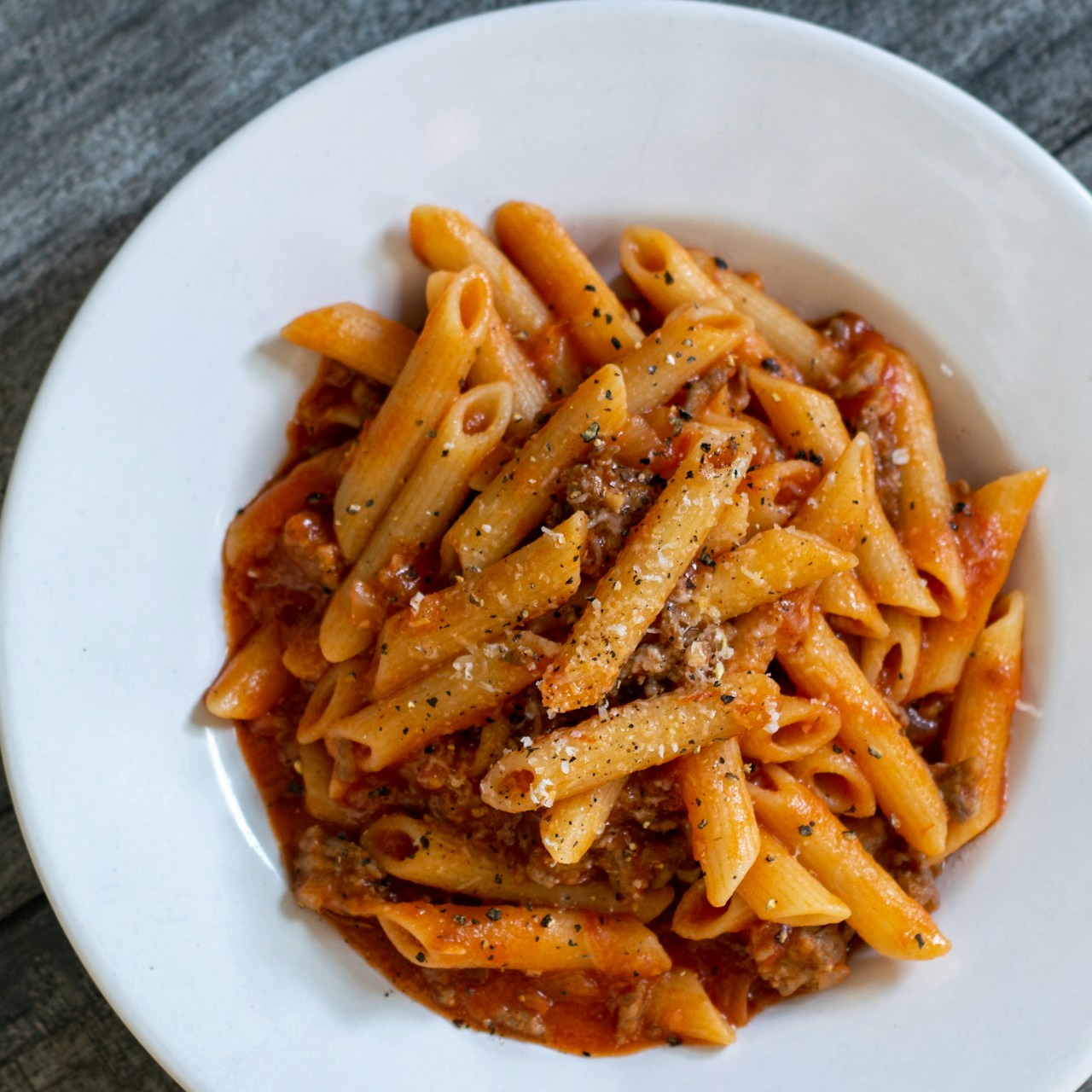
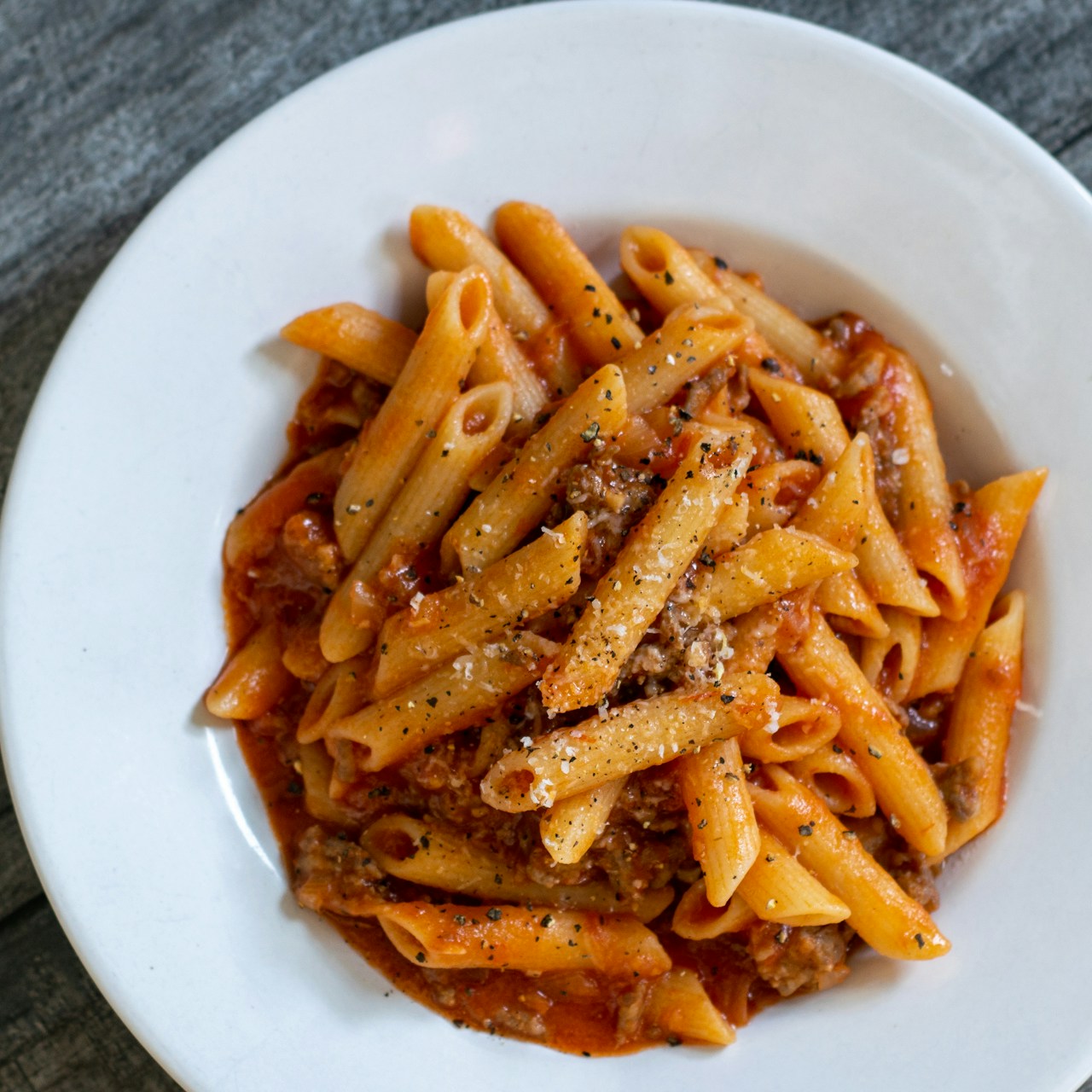
At first look, pastitsio (pronounced pah-STEE-tsee-oh) draws immediate comparisons to Italian lasagna or al forno dishes. But the construction is entirely unique to the Eastern Mediterranean. The base consists of long, tubular pasta—traditionally a specialty shape labeled pastitsio No. 2, though bucatini or penne often stand in. The noodles are mixed with egg whites and grated cheese so they bind into a solid foundation.
Over the pasta sits a rich ragù made from ground beef or lamb. Rather than heavy tomato and garlic, Greek cooks simmer the meat with grated onion, red wine, tomato paste, and a distinct sweet-spice combination of cinnamon, allspice, and clove. The top layer is a thick sheet of béchamel sauce, enriched with egg yolks and sharp grated cheeses like kefalotyri or kasseri, which bakes into a velvety custard crust.
Pastitsio vs. Moussaka: Clearing up the confusion
Travelers constantly mix up pastitsio and moussaka on Greek menus because both come out of the kitchen as thick, square-cut slabs covered in browned béchamel. The difference comes down to what lies beneath that white topping.
Moussaka replaces the pasta entirely with layers of fried eggplant, potatoes, and sometimes zucchini. Pastitsio is built strictly on long pasta noodles. If you are reading a menu abroad written in unfamiliar script, using an app like MenuDish to match menu items with real food photos lets you spot the distinct pasta tubes in pastitsio before you place your order.
Sweet spice meets savory meat: What pastitsio actually tastes like
The flavor profile of pastitsio catches many first-timers by surprise. The first bite offers a contrast between the silkiness of the egg-rich béchamel and the savory, firm chew of the pasta. The cheese on top adds a salty, slightly nutty tang that cuts through the cream.
The meat layer brings warmth rather than heat. The cinnamon and clove don't make the dish taste like dessert; instead, they round out the savory meat, much like the spice profile found in Cincinnati chili or traditional Mediterranean stews. It is dense, deeply satisfying, and far less acidic than tomato-heavy Italian baked pastas.
How to order and eat pastitsio like a local
If your pastitsio arrives warm rather than piping hot, don't send it back to the kitchen. Greek home cooks and taverna chefs purposely allow the tray to rest for 20 to 30 minutes after baking. If served fresh out of the oven, the béchamel layer runs everywhere and the pasta collapses. Rested pastitsio holds clean, neat edges.
Pastitsio is heavy, so locals pair it with a bright, acidity-cleansing side dish. A classic Horiatiki (Greek village salad with cucumbers, tomatoes, olives, and feta dressed in olive oil) cuts through the rich cream sauce perfectly. Sip a crisp dry white wine or a lightly chilled Greek red alongside it.
Don't cook it — find it.
See every dish on any menu before you order. Scan, see the photo, check allergens & nutrition.
Allergens: Gluten/Wheat, Milk/Dairy, Eggs. The MenuDish app flags these automatically for every dish it scans.