Blog Dish guide What is Kimchi? Your Guide to Korea's Spicy, Fermented Staple
Dish guide 🌐 Korean

What is Kimchi? Your Guide to Korea's Spicy, Fermented Staple

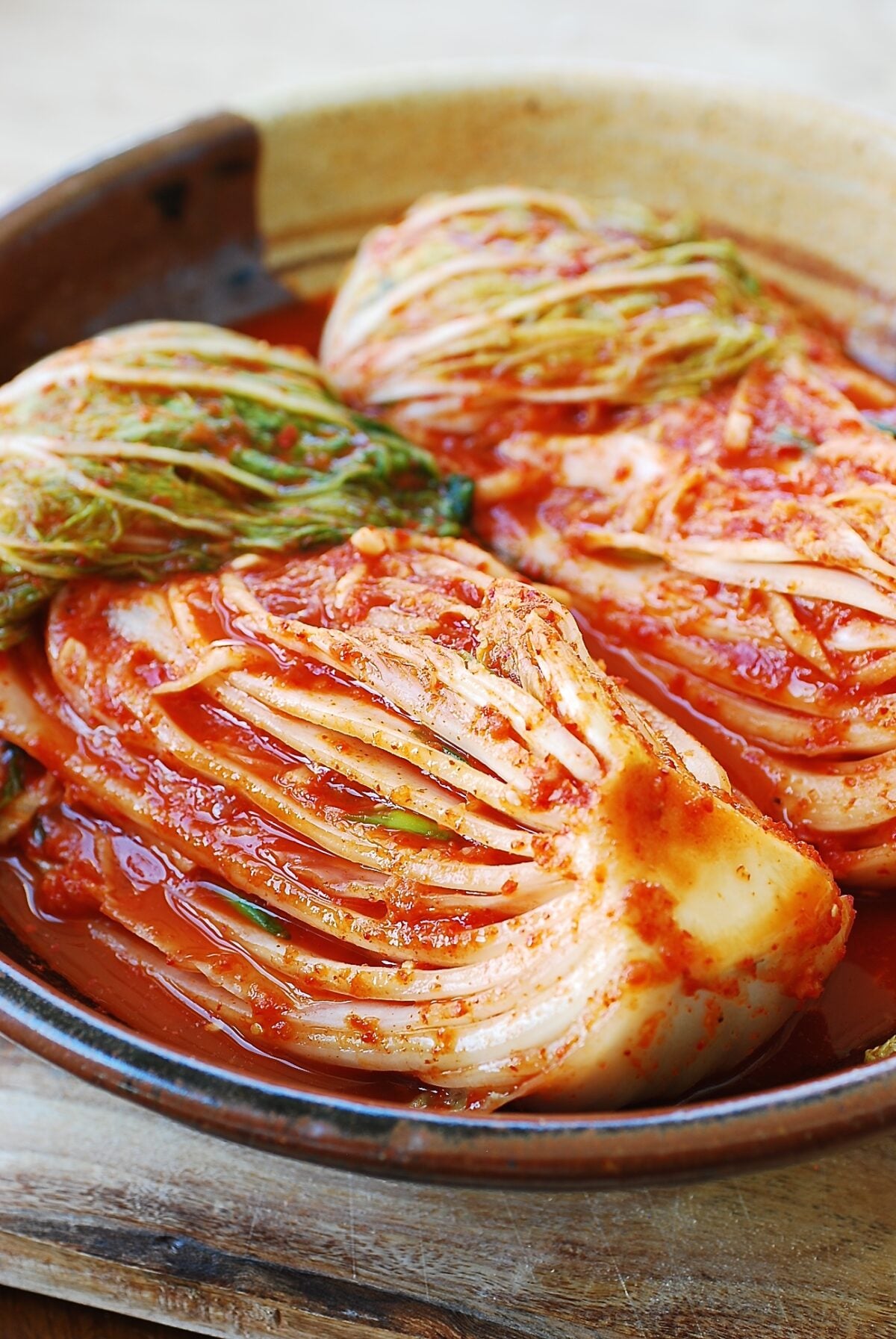
You’re at a Korean restaurant, the table is set, and before the main dishes even arrive, a vibrant array of small plates (banchan) appears. Among them, almost certainly, is a mound of fiery red, glistening cabbage. That, my friend, is kimchi – and it's far more than just a side dish. But what exactly is it? And why does it taste so wonderfully complex, spicy, and tangy, all at once?

What is Kimchi? Your Guide to Korea's Spicy, Fermented Staple
What is Kimchi? Your Guide to Korea's Spicy, Fermented Staple — Photo via MenuDish.

Key takeaways

  • Kimchi is a traditional Korean fermented vegetable dish, most commonly made with napa cabbage, but many other vegetables are used.
  • Its signature taste is a complex blend of spicy, sour, umami, and sometimes sweet notes, resulting from a unique fermentation process.
  • Beyond being a side dish, kimchi is a versatile ingredient used in stews, fried rice, pancakes, and more, adding depth and flavor to many Korean meals.
  • While often vegetarian, traditional kimchi can contain seafood products like salted shrimp or fish sauce, so it's good to check if you have dietary restrictions.

Kimchi: Beyond Just Spicy Cabbage

At its heart, kimchi is a fermented vegetable dish, a culinary tradition in Korea that dates back centuries. While the most recognizable version uses napa cabbage (baechu-kimchi), the truth is, kimchi can be made from almost any vegetable. Think radishes, cucumbers, green onions, even young leafy greens.

The magic happens through a brining process, followed by mixing the vegetables with a paste of spices and aromatics. This paste typically includes gochugaru (Korean chili powder), garlic, ginger, green onions, and often a touch of glutinous rice flour or fruit for sweetness and to aid fermentation. Traditional recipes also frequently incorporate jeotgal (salted seafood like shrimp or anchovy paste) or fish sauce, which gives kimchi its characteristic umami depth.

The Many Faces of Kimchi

While baechu-kimchi is king, exploring other varieties opens up a world of flavor and texture. Here are a few you might encounter:

Each type offers a different sensory experience, from the fiery crunch of napa cabbage to the refreshing snap of cucumber, or the milder, clean taste of white kimchi.

What to Expect: Taste and Texture

When you take a bite of classic napa cabbage kimchi, you're hit with a symphony of flavors. First, there's the distinct tang and sourness from the fermentation, often followed by a pleasant heat from the gochugaru. Underneath, you’ll find savory, almost meaty notes (umami) from the garlic, ginger, and often the seafood elements. There's usually a subtle sweetness, too, which balances the spice and sourness.

Texturally, it should be crisp and crunchy, never mushy. The cabbage retains a satisfying bite, even after fermentation, making it an invigorating addition to any meal.

Why it's More Than Just a Side Dish

While kimchi is a staple banchan (side dish) at virtually every Korean meal, its culinary role extends much further. It’s a foundational ingredient that brings bold flavor and complexity to countless dishes:

These are just a few examples; kimchi's versatility means it shows up in everything from ramen to sandwiches, adding its signature zing.

Ordering Kimchi: What to Expect and How to Check

When you order Korean food, kimchi will almost always be part of the complimentary banchan spread. Don't be shy about asking for refills; it's expected! If you're looking for a specific type of kimchi, like kkakdugi or baek kimchi, you might find it listed as a separate item on the menu, or you can ask your server.

For those with dietary concerns, particularly if you're vegetarian or vegan, it’s worth noting that traditional kimchi often contains jeotgal (salted seafood) or fish sauce for umami. Many restaurants, especially outside of Korea, now offer vegetarian or vegan kimchi. If you're unsure, a quick check with your server or a glance at the menu description is always a good idea. MenuDish can be helpful here too; its AI scans menus to surface ingredients and allergens, so you can often see if a dish contains fish or shellfish before you even order.

The Heart of Korean Cuisine

Kimchi is more than just a food item; it's a cultural icon, a symbol of Korean identity and hospitality. Its preparation, often a communal event called kimjang, is even recognized by UNESCO as an Intangible Cultural Heritage of Humanity. So, the next time you encounter that fiery red cabbage, take a moment to appreciate the centuries of tradition and complex flavors packed into every crunchy bite.

Don't cook it — find it.

See every dish on any menu before you order. Scan, see the photo, check allergens & nutrition.
Frequently asked questions

What does kimchi taste like?
Kimchi has a complex flavor profile that's typically spicy, sour, tangy, and savory (umami). It gets its tang from fermentation, its spice from gochugaru (Korean chili powder), and its savory depth from ingredients like garlic, ginger, and sometimes salted seafood.
Is kimchi always made with cabbage?
While napa cabbage kimchi (baechu-kimchi) is the most common and recognizable type, kimchi can be made from many different vegetables, including radishes (kkakdugi), cucumbers (oi sobagi), green onions, and even other leafy greens.
Is kimchi vegetarian or vegan?
Traditional kimchi often contains jeotgal (salted seafood like shrimp paste or anchovy sauce) or fish sauce for its umami flavor. However, many restaurants and brands now offer vegetarian or vegan versions that omit these ingredients, using mushrooms or other plant-based umami sources instead. It's best to confirm if you have dietary restrictions.
How is kimchi used in Korean cooking?
Beyond being a beloved side dish (banchan), kimchi is a versatile ingredient used in many Korean dishes. It's the star of kimchi jjigae (kimchi stew), kimchi bokkeumbap (kimchi fried rice), kimchijeon (kimchi pancakes), and kimchi mandu (kimchi dumplings), adding its signature spicy, tangy flavor.

Keep reading

Related dish guides

How to Read a Florentine Trattoria Menu: Bistecca, Lampredotto, and Tuscan Rules
Menu Tips 7 min

How to Read a Florentine Trattoria Menu: Bistecca, Lampredotto, and Tuscan Rules

Standing in front of a chalkboard outside a narrow alley near Santo Spirito, you spot dish titles like pappa al pomodoro, peposo, and lampredotto. The waiter nods from the doorway, but you have no idea if you are ordering a lightweight soup or stewed cow stomach.

Read more
How to Read a Bologna Osteria Menu: Ragù, Tortellini in Brodo, and Local Etiquette
Menu tips 6 min

How to Read a Bologna Osteria Menu: Ragù, Tortellini in Brodo, and Local Etiquette

Walk into a dim, wood-paneled osteria tucked behind Bologna's Piazza Maggiore, and you won't find spaghetti bolognese on the menu. Ask for it, and the waiter might politely direct you to the nearest tourist trap.

Read more
How to Read a Singapore Hawker Centre Menu: From Kopi Code to Stall Specials
Menu tips 6 min

How to Read a Singapore Hawker Centre Menu: From Kopi Code to Stall Specials

You walk under the whirring ceiling fans of Maxwell Food Centre during lunchtime, surrounded by eighty competing stalls, clattering porcelain bowls, and intense lines that snip through the aisles. Half the empty tables have tissue packets resting peacefully on the plastic seats, and the drink vendor asks you if you want Kopi C Siew Dai before you have even found a place to sit.

Read more

Ready to order smarter?

Never order a mystery dish again.

Scan the menu, see real photos for every dish, and check ingredients, allergens and nutrition — all in a couple of seconds.

What is Kimchi? Your Guide to Korea's Spicy, Fermented Staple in the MenuDish app
What is Kimchi? Your Guide to Korea's Spicy, Fermented Staple