Key takeaways
- Authentic Hungarian Goulash (Gulyás) is primarily a soup, not a thick stew, though variations exist.
- The defining spice of goulash is paprika, which provides both color and a sweet, smoky flavor.
- Key ingredients include beef, onions, carrots, potatoes, and often small pasta or dumplings.
- Goulash can be found in various forms across Central Europe, but true Hungarian Gulyás is distinct.
- Don't confuse Gulyás with Pörkölt (a stew) or Paprikás (a stew with sour cream).
Gulyás vs. The World: What's in a Name?
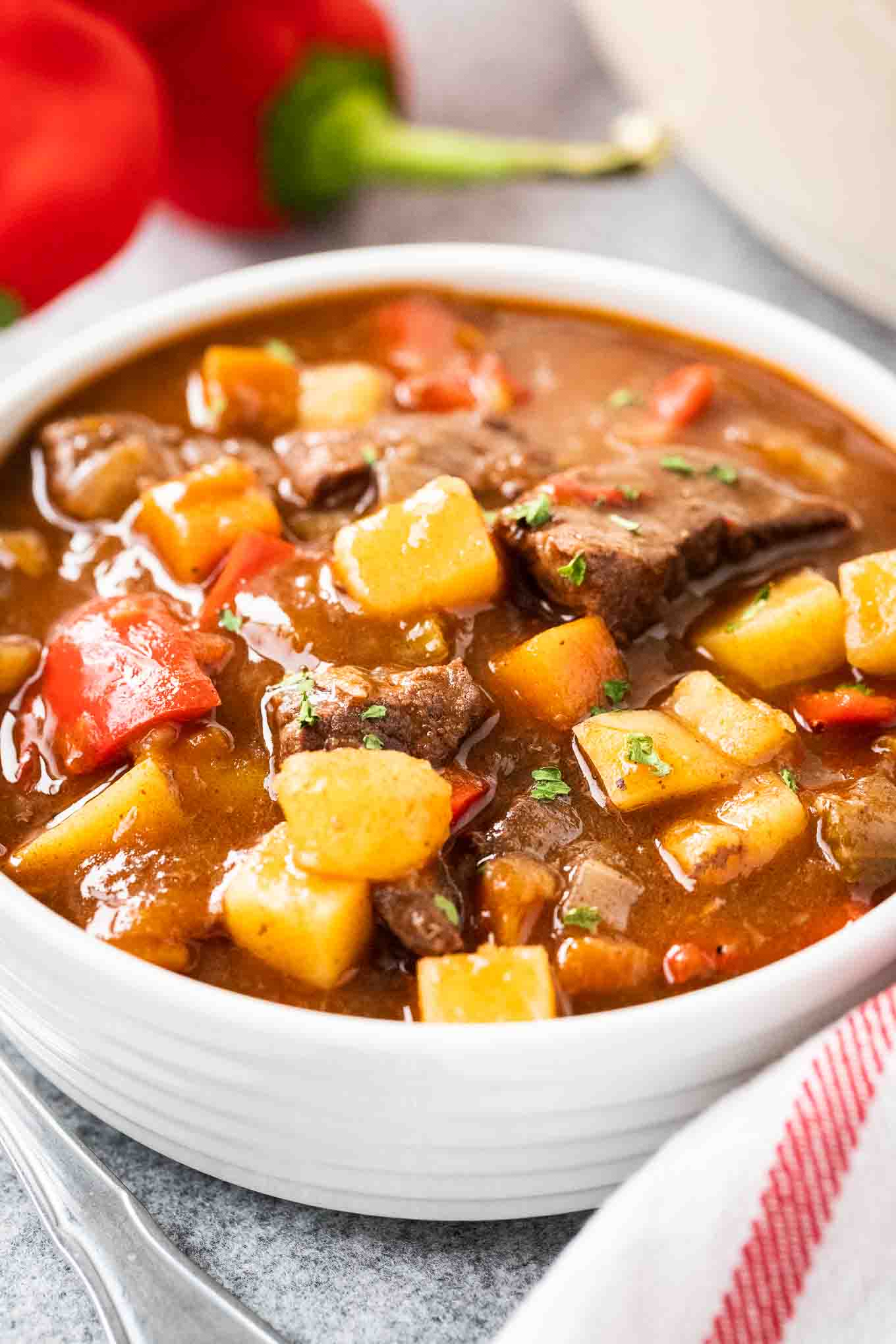
Walk into a restaurant outside of Hungary and order 'goulash,' and you're likely to get a thick, slow-cooked beef stew, often served with noodles or potatoes, sometimes even a dollop of sour cream. It’s comforting, deeply savory, and often delicious. But here’s the kicker: that’s probably not what a Hungarian would call gulyás.
In its homeland, gulyás is a lighter, brothier affair—more soup than stew. Think of it as a substantial, satisfying soup that’s a meal in itself, not a gravy-laden main course. The name itself comes from gulyás, meaning 'herdsman,' referring to the cattle herders who cooked this simple, nourishing dish over an open fire. It was practical, portable, and packed with energy for long days tending livestock.
The Heart of Hungarian Goulash: Paprika and Patience
What truly defines Hungarian Gulyás isn't just the beef (though good quality beef is essential), but the generous use of paprika. And not just any paprika. Hungarian paprika comes in various grades, from sweet (édesnemes) to hot (csípős), and it imparts a distinctive sweet, earthy, and sometimes smoky flavor, along with its characteristic vibrant red hue. It’s added early in the cooking process, blooming in rendered fat to infuse the entire dish.
Beyond paprika, onions are crucial, cooked down until practically dissolved, forming the base of the broth. Carrots, potatoes, and sometimes parsnips or celery root add sweetness and body. Small pasta shapes like csipetke (pinched noodles) or small dumplings are often stirred in towards the end, making it even heartier. It’s a dish built on layering flavors and slow cooking, allowing everything to meld into a harmonious whole.
Soup or Stew? Deciphering the Menu (and Your Expectations)
So, how do you know what you're getting? If you're in Hungary, expect a soup. If a menu describes 'Goulash Soup' (Gulyásleves), it's definitely the brothier version. If it simply says 'Goulash' (Gulyás), it's still likely soup, but perhaps a bit thicker. Outside of Hungary, especially in places like Germany, Austria, or the Czech Republic, 'Goulash' often refers to a thicker, stew-like dish, sometimes called Gulasch or Guláš.
The key difference often lies in the liquid content and the presence of a roux or thickener. Authentic Hungarian Gulyás rarely uses a flour-based roux; its thickness comes from the slow reduction of the broth and the starch from potatoes. Other Central European versions might be thickened with flour or even pureed vegetables.
When in doubt, a quick glance at a photo or a clarification from your server can save the day. This is where an app like MenuDish comes in handy, letting you see real dish photos matched to menu items, so you always know if you’re getting a rich soup or a hearty stew before you commit.
The Cousins: Pörkölt and Paprikás
To truly understand Hungarian Gulyás, you need to meet its close relatives: Pörkölt and Paprikás. These are the dishes that are often mistakenly called 'goulash' outside of Hungary.
- Pörkölt: This is the true Hungarian stew. It's much thicker than Gulyás, with less liquid and a rich, deeply flavored sauce that clings to the meat. It's also heavy on the paprika and onions, but the focus is on a concentrated, almost gravy-like consistency. Pörkölt is typically served with noodles (like nokedli or galuska, small dumplings) or boiled potatoes.
- Paprikás: Similar to Pörkölt in its stew-like consistency, but with one crucial addition: sour cream (or a similar dairy product) stirred in at the end. This gives the sauce a creamy texture and a tangy finish, often making it lighter in color. Chicken Paprikás (Csirkepaprikás) is a particularly famous version.
Each of these dishes is a testament to Hungary's masterful use of paprika and slow-cooking techniques, but they offer distinct experiences. Knowing the nuances ensures you order exactly what you're craving.
Where to Find Authentic Goulash
While you can find variations of goulash almost anywhere in Central and Eastern Europe, the most authentic experience will, of course, be in Hungary. Look for traditional taverns (csárda) or family-run restaurants. Even in modern eateries, Gulyásleves is a staple. Don't be afraid to try versions in neighboring countries like Austria (Wiener Saftgulasch) or the Czech Republic (Guláš), but understand they will likely be different from the Hungarian original – often thicker, with different spices or accompaniments.
Whether you prefer the brothy, warming soup or the rich, spoon-tender stew, understanding the origins and variations of goulash ensures a more informed and satisfying culinary journey. It’s more than just a dish; it’s a taste of history and regional identity.
Don't cook it — find it.
See every dish on any menu before you order. Scan, see the photo, check allergens & nutrition.