Blog Dish guide What is Falafel? Your Guide to the Crispy Middle Eastern Chickpea Fritter
Dish guide Vegetarian 🌐 Middle Eastern

What is Falafel? Your Guide to the Crispy Middle Eastern Chickpea Fritter

You’re standing in line at a bustling street food stall, the air thick with the scent of spices and frying oil. You see a tray piled high with golden-brown, perfectly spherical fritters, nestled in warm pita bread with a drizzle of tahini. It’s falafel, of course. But have you ever stopped to wonder what exactly makes these humble chickpea (or fava bean) patties so utterly irresistible? Or why some falafel tastes like a revelation, while others are just
dry?

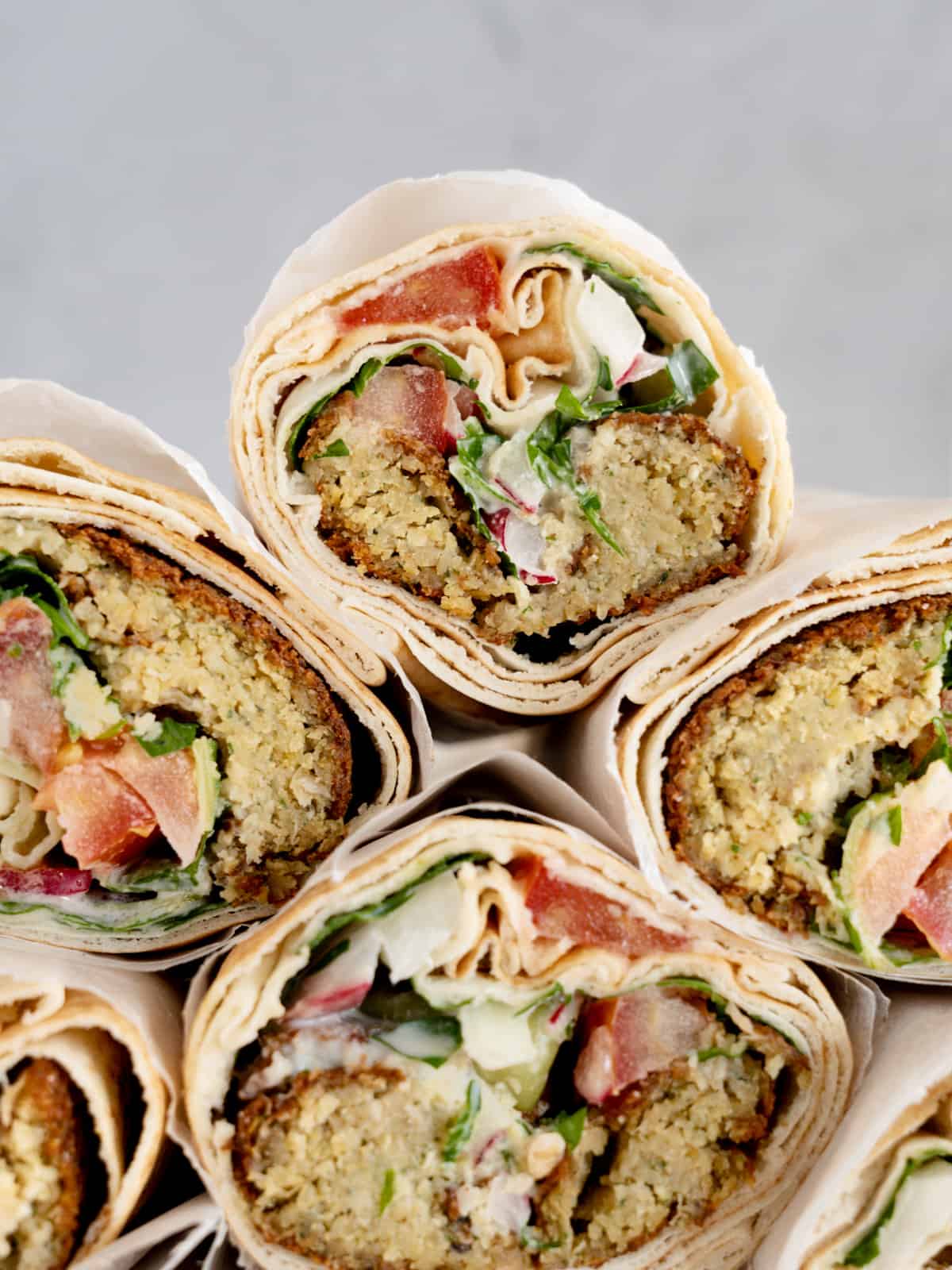
What is Falafel? Your Guide to the Crispy Middle Eastern Chickpea Fritter
What is Falafel? Your Guide to the Crispy Middle Eastern Chickpea Fritter — Photo via MenuDish.

Key takeaways

  • Falafel is a deep-fried fritter made primarily from ground chickpeas (Levantine style) or fava beans (Egyptian ta'ameya), not flour.
  • Key to its texture and flavor are soaked (uncooked) legumes, fresh herbs like parsley and cilantro, and a blend of spices.
  • It's a staple street food across the Middle East, often served in pita with salad, pickles, and tahini sauce.
  • Good falafel is crispy on the outside, tender and moist inside, with a vibrant green interior from fresh herbs.
  • MenuDish can help you see real photos of falafel dishes and their ingredients before you order, especially in new cities.

More Than Just a Fried Ball: What Falafel Actually Is

At its core, falafel is a deep-fried fritter, but that simple description barely scratches the surface. The magic happens with its main ingredient: dried legumes, typically chickpeas or fava beans, that are soaked overnight but never cooked before grinding. This is crucial for that distinct texture. The soaked legumes are then ground with a vibrant mix of fresh herbs—think parsley, cilantro, sometimes dill—and aromatics like onion and garlic. A generous hand with spices, often cumin, coriander, and a touch of cayenne, brings it all to life.

Once formed into small patties or balls, they take a quick, scorching dip in hot oil. The result? A shell that shatters with a satisfying crunch, giving way to a tender, aromatic, often bright green interior. It’s a masterclass in contrasts.

Chickpea vs. Fava: The Great Falafel Divide

While many people associate falafel solely with chickpeas, there’s a significant split depending on where you are on the map. In the Levant (think Lebanon, Syria, Jordan, Palestine, Israel), falafel is almost exclusively made from ground chickpeas. These tend to be slightly lighter in color and have a more crumbly texture.

Venture a bit further south to Egypt, and you’ll encounter ta'ameya, their version of falafel. This one is made primarily from dried fava beans, sometimes with a small addition of chickpeas. Egyptian falafel is often darker, denser, and incredibly rich, frequently shaped into flatter discs rather than perfect spheres. Both are delicious, but distinctly different.

What Makes a Good Falafel?

You can spot truly excellent falafel before you even take a bite. First, look at the color: a deep, golden brown on the outside, indicating a perfectly crisp crust. Inside, it should be moist and fluffy, never dry or dense like a brick. The interior should also boast a vibrant green hue from all those fresh herbs – a sign of quality and freshness.

Flavor-wise, you want a punch of fresh herbs and warm spices, especially cumin and coriander, without any single spice dominating. It should taste savory, earthy, and utterly fresh, not greasy. A good falafel joint will fry them to order, ensuring maximum crunch and warmth.

How to Eat Falafel Like a Local

While you can certainly enjoy falafel on its own, it truly shines when served in its classic presentation: tucked into warm pita bread. This isn't just any pita; it's often a thick, fluffy variety designed to soak up all the delicious juices and sauces without falling apart.

Beyond the pita, expect a generous layering of fresh components: crisp lettuce, diced tomatoes, cucumbers, and sometimes pickled turnips or wild cucumber. The essential condiment is tahini sauce – a creamy, nutty, lemony dressing that perfectly complements the rich fritters. You might also find a spicy chili sauce (shatta or harissa) or a cooling yogurt sauce on offer. Don't be shy; load it up. The messier, the better.

Where to Find and Order It

Falafel is a ubiquitous street food across the Middle East and has found its way into cities worldwide. You'll find it in specialized falafel shops, Lebanese, Syrian, Israeli, and Egyptian restaurants, and even food trucks. When you’re faced with a menu in an unfamiliar language or just want to be sure what you’re getting, an app like MenuDish can be incredibly helpful. It scans the menu, translates dish names, and even shows you real dish photos so you can see exactly what your falafel platter or sandwich will look like before you commit. It also surfaces ingredients and allergens, which is pretty handy for something as herb-packed as falafel.

Don't cook it — find it.

See every dish on any menu before you order. Scan, see the photo, check allergens & nutrition.
Frequently asked questions

What is falafel made of?
Falafel is primarily made from dried chickpeas or fava beans (or a mix of both) that are soaked overnight, then ground with fresh herbs like parsley and cilantro, garlic, onion, and spices such as cumin and coriander. This mixture is formed into balls or patties and deep-fried.
Is falafel healthy?
Falafel can be a relatively healthy option as it's plant-based and rich in protein and fiber from the legumes. However, it is deep-fried, which adds fat and calories. When served in a pita with fresh vegetables and tahini, it can be a balanced meal. Portion size and cooking method (some places bake falafel) are key factors.
Is falafel vegetarian or vegan?
Yes, falafel is inherently both vegetarian and vegan, as its main ingredients are legumes, herbs, and spices. It contains no animal products, making it a popular choice for those following plant-based diets.
What does falafel taste like?
Good falafel has a crispy exterior and a fluffy, moist interior. It tastes earthy and savory from the chickpeas/fava beans, with prominent fresh herbal notes (parsley, cilantro) and warm, aromatic spices like cumin and coriander. It should not taste greasy, but rather fresh and flavorful.
Where did falafel originate?
The exact origin of falafel is debated, but it is widely believed to have originated in Egypt, where it's known as ta'ameya and made from fava beans. It then spread throughout the Middle East, with different regions adopting chickpea-based versions. It has been a staple street food in the region for centuries.

Keep reading

Related dish guides

How to Read an Italian Menu: Courses, Coperto, and Ordering Rules
Menu tips 6 min

How to Read an Italian Menu: Courses, Coperto, and Ordering Rules

You sit down at a trattoria in Florence, open the leather card, and face a wall of unfamiliar headers before you even see the food. Antipasti, primi, secondi, contorni, coperto. Is ordering just a plate of pasta considered rude, or are you expected to conquer four full courses in one sitting?

Read more
What is Feijoada? Your Guide to Brazil's Hearty National Stew
Dish guide 7 min

What is Feijoada? Your Guide to Brazil's Hearty National Stew

You’re sitting at a bustling Brazilian restaurant, the air thick with the scent of slow-cooked meat and earthy beans. You scan the menu, eyes landing on “Feijoada Completa.” Sounds intriguing, but what exactly arrives on the plate? Is it a soup? A stew? Will it be too heavy? Brazil’s national dish is a culinary journey, a deep dive into flavor and history, but its components can be a bit of a mystery if you’re not familiar.

Read more
What is Tteokbokki? Your Guide to Korea's Spicy, Chewy Street Food Staple
Dish guide 6 min

What is Tteokbokki? Your Guide to Korea's Spicy, Chewy Street Food Staple

You’re walking through a bustling market in Seoul, the air thick with the aroma of sesame oil, chili, and something sweet. Then you see it: a massive, steaming pan of bright red, cylindrical shapes simmering in a thick, glossy sauce. People are huddled around, chopsticks flying, faces flushed. This, my friends, is tteokbokki, and if you haven't tried it, you're missing out on one of Korea's most beloved and addictive street foods. But what exactly are those chewy cylinders, and what makes that fiery sauce so irresistible?

Read more

Ready to order smarter?

Never order a mystery dish again.

Scan the menu, see real photos for every dish, and check ingredients, allergens and nutrition — all in a couple of seconds.

What is Falafel? Your Guide to the Crispy Middle Eastern Chickpea Fritter in the MenuDish app
What is Falafel? Your Guide to the Crispy Middle Eastern Chickpea Fritter