Key takeaways
- Ají de Gallina is a Peruvian comfort food made from poached shredded chicken in a thick, velvety sauce of yellow chili peppers, evaporated milk, ground pecans, and parmesan cheese.
- The primary pepper, ají amarillo, brings a bright, fruity flavor with a gentle heat rather than a mouth-burning spice.
- It is traditionally served on a double-starch base of boiled yellow potatoes and white rice, garnished with hard-boiled egg quarters and dark Botija olives.
- The dish grew out of French cream sauces brought to Lima in the late 18th century, reworked by local cooks using native Andean ingredients.
How a French royal sauce became Peruvian comfort food
Ají de gallina has one of the most surprising origin stories in South American cooking. After the French Revolution swept Europe in the late 18th century, unemployed French chefs left Europe and found work in the kitchens of wealthy colonial elites in Lima. They brought along traditional European recipes like menjar blanc—a medieval sweet-and-savory dish of poached chicken breast creamed with milk, sugar, and ground almonds.
Peruvian cooks took that European technique and transformed it with native ingredients. They swapped almonds for local walnuts and pecans, traded fresh cream for evaporated milk, and introduced ají amarillo, the glowing orange-yellow pepper that defines Peruvian kitchens. The result was a rich, comforting stew that quickly migrated from aristocratic mansions into homes, taverns, and street stalls across the country.
What ají de gallina actually tastes like
Despite its bright golden hue, ají de gallina is not overwhelmingly spicy. Ají amarillo delivers a tropical, sunshine-bright pepper taste—think subtle notes of passionfruit and sweet bell pepper—with a mild, steady warmth that builds gradually. The heat stays pleasantly in the background because the sauce is tempered with evaporated milk and bread crumbs soaked in broth.
The texture is thick, glossy, and slightly grainy from pulverized pecans and finely grated parmesan cheese. Every bite offers a sweet, savory, and nutty combination, punctuated by tender strands of long-poached chicken breast that absorb the chili cream.
Carbs on carbs: How the plate comes assembled
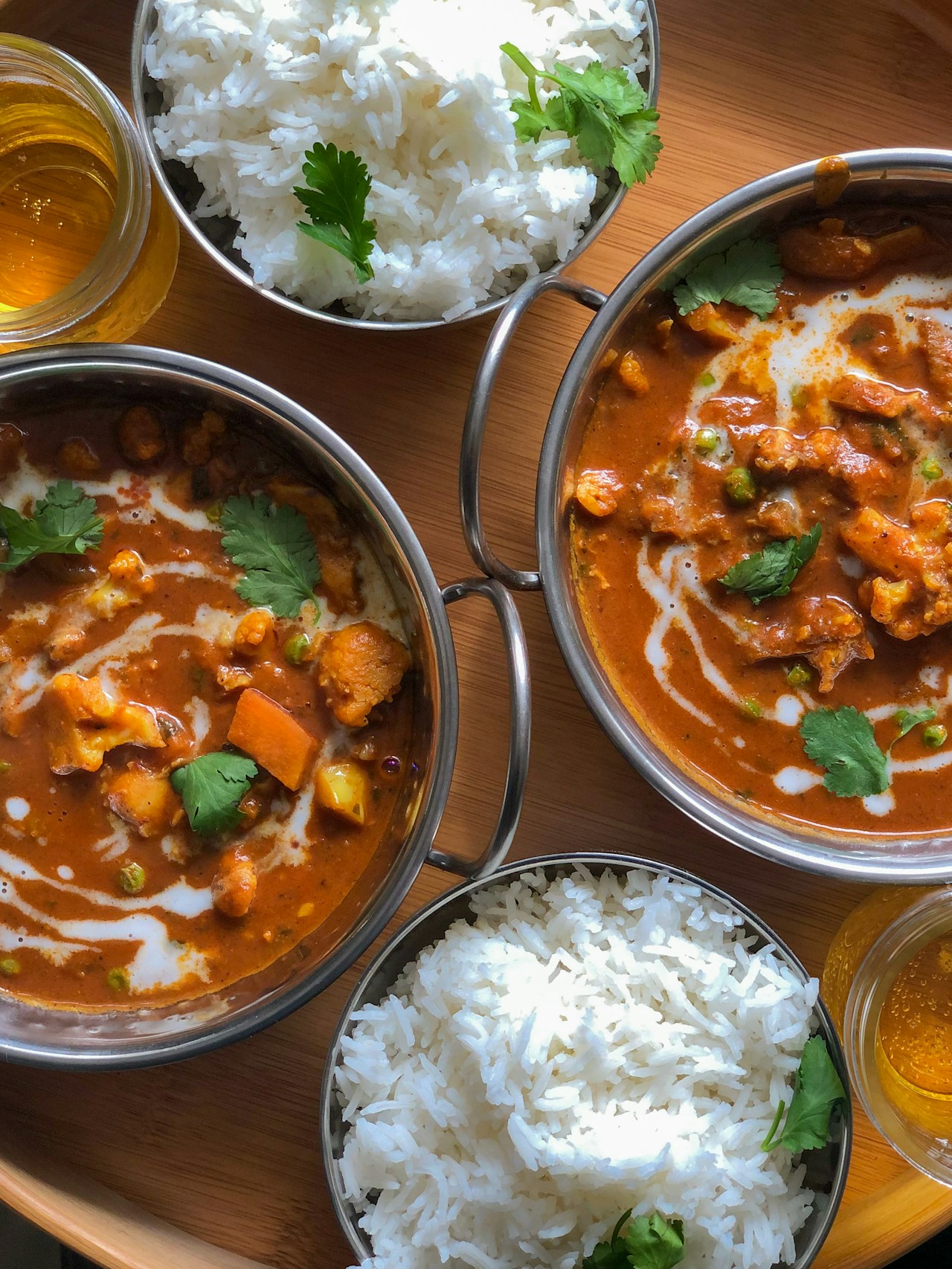
Peruvian cuisine embraces starch pairing without hesitation. A proper plate of ají de gallina starts with sliced boiled yellow potatoes placed directly on the plate. The piping-hot chicken stew is poured generously over the potatoes, while a neat dome of garlic-steamed white rice sits right alongside.
The garnishes are essential. You will almost always find two or three hard-boiled egg wedges and a couple of dark purple Botija olives. The brine and fruitiness of the olives cut straight through the richness of the dairy and nuts. If you use MenuDish to scan a Peruvian menu, you can see matched photos of the dish to check whether a kitchen serves it in the traditional tavern style or as a modern plated bowl.
What separates a great ají de gallina from a mediocre one
A rushed kitchen will shortcut this dish by using raw chili powder, heavy flour thickeners, or pre-cooked rotisserie chicken pulled into thick chunks. The result is often gluey, overly heavy, and bland.
A great version starts with poached hen or chicken breast shredded into thin, delicate threads by hand. The chef sautés onion, garlic, and fresh ají amarillo paste until the oil turns deep orange before blending in soaked crustless white bread, milk, toasted pecans, and sharp parmesan. The sauce should cling to the chicken effortlessly without feeling thick or separating into oil on the plate.
Don't cook it — find it.
See every dish on any menu before you order. Scan, see the photo, check allergens & nutrition.
Allergens: Dairy, Tree Nuts (Pecans), Wheat/Gluten, Eggs. The MenuDish app flags these automatically for every dish it scans.