Key takeaways
- Tapas are small, shareable dishes; order 2-3 per person, then add more.
- Don't just stick to patatas bravas; explore regional specialties like gambas al ajillo, croquetas, or jamón ibérico.
- Embrace the social, lively atmosphere of tapas bars; standing and sharing is part of the experience.
- Don't be afraid to ask for recommendations or use an app like MenuDish to understand unfamiliar items and see real dish photos.
- Tapas culture often involves moving between bars, trying one or two dishes at each.
What Are Tapas, Really?
First, let’s clear up a common misconception. Tapas aren't just 'small plates' in the modern culinary sense. Historically, a 'tapa' (meaning 'lid' or 'cover') was a slice of bread or ham placed over a drink to keep flies out. Bartenders started offering little bites with drinks, and the tradition grew. Today, tapas are integral to Spanish social life—a way to graze, chat, and spend an evening moving from one bustling bar to another.
The key is that tapas are meant for sharing, for sampling. You're not ordering an appetizer for yourself; you're contributing to a communal feast. This changes how you approach the menu and how much you order.
Beyond the Usual Suspects: Must-Try Tapas
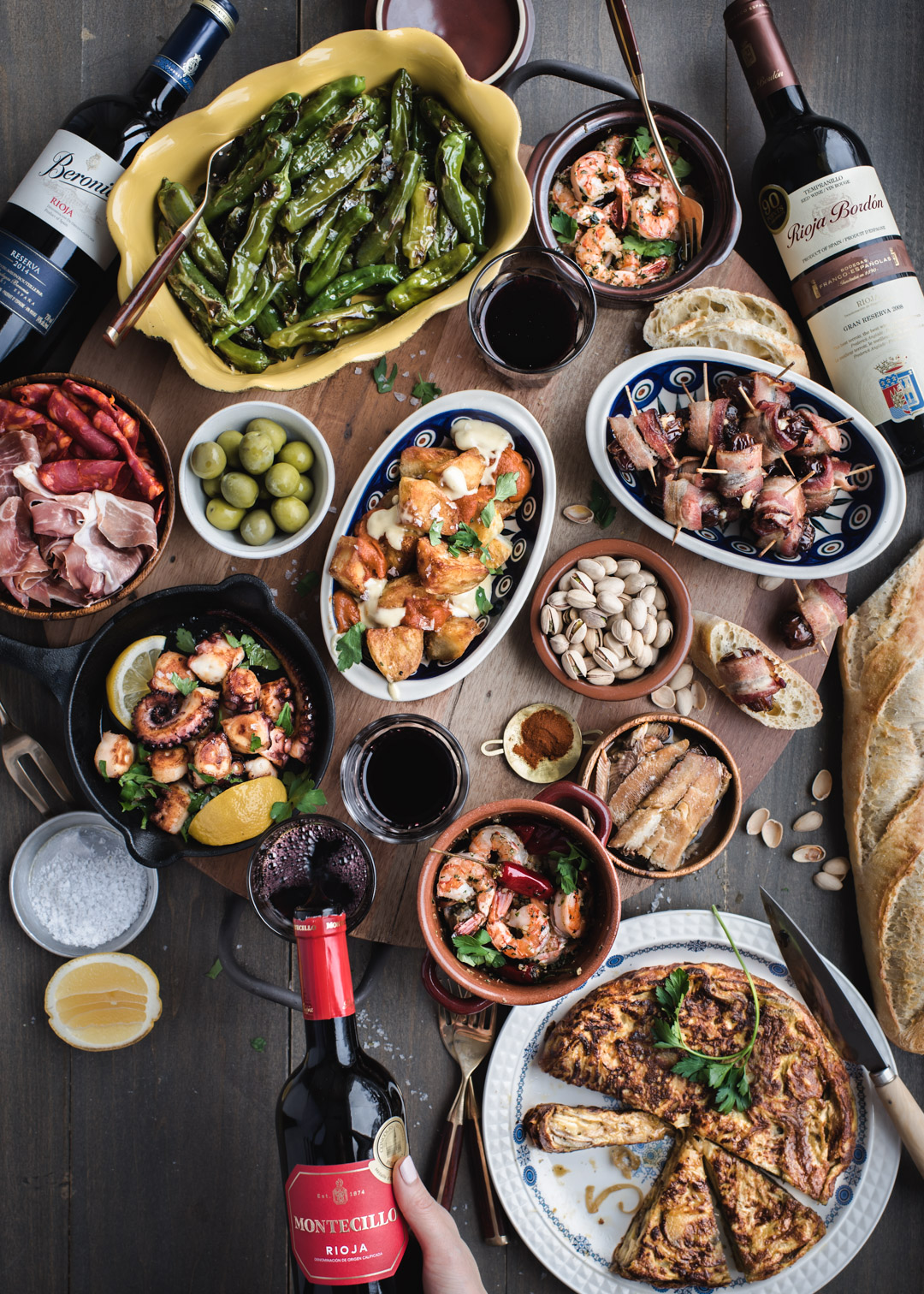
While patatas bravas and tortilla española (a thick potato and onion omelet) are staples, the real joy comes from venturing further. Here are some dishes you absolutely shouldn't miss:
- Gambas al Ajillo: Sizzling shrimp swimming in garlic-infused olive oil, often with a hint of chili. Dip crusty bread into that oil—it's practically mandatory.
- Croquetas: Creamy, béchamel-based fritters, usually filled with jamón (ham), pollo (chicken), or sometimes mushrooms. Crispy on the outside, molten on the inside.
- Jamón Ibérico: Spain's prized cured ham. Forget everything you think you know about ham. This is thinly sliced, melt-in-your-mouth perfection, often served simply with bread.
- Pimientos de Padrón: Small green peppers, flash-fried and sprinkled with sea salt. The catch? About one in ten is surprisingly spicy, adding a fun element of culinary roulette.
- Boquerones en Vinagre: Fresh anchovies marinated in vinegar, garlic, and parsley. Light, briny, and nothing like the salty tinned kind.
- Pulpo a la Gallega: Tender octopus, boiled and sliced, then seasoned with paprika, olive oil, and sea salt. A Galician specialty, but found across Spain.
Each region of Spain boasts its own unique tapas. In Andalusia, you'll find more fried seafood. In pintxo-heavy Basque Country, expect elaborate skewered bites. Don't be afraid to ask what the local specialties are.
How to Order Like a Local
Ordering tapas isn't like ordering a three-course meal. It's more fluid. Here’s a basic strategy:
- Start Small: For two people, order 2-3 tapas to begin. See how you feel, then order more. Don't overcommit early.
- Patience is Key: Dishes often come out as they're ready, not in a specific order. Embrace the staggered arrival.
- Drink First: Often, you’ll order your drinks (a caña, a glass of wine, or vermouth) and then decide on food.
- Don’t Be Afraid to Point: If your Spanish isn't great, point to dishes you see on other tables or use a translation app. Many bars also have display cases with cold tapas; just point to what looks good.
- Ask for Recommendations: A simple “¿Qué me recomienda?” (What do you recommend?) or “¿Cuál es su especialidad?” (What's your specialty?) can lead to delicious discoveries. If you’re unsure what a dish even is, an app like MenuDish can be incredibly helpful, showing you real dish photos and ingredients right from the menu.
- The Ración vs. Media Ración: Some places offer larger portions called raciones or half-portions called media raciones. If you're with a bigger group or really love a dish, a ración makes sense. For sampling, stick to tapas or media raciones.
Embrace the Chaos and the Culture
Tapas bars are often loud, crowded, and wonderfully chaotic. You might be standing at a bar, shouting your order over lively conversations. This is part of the charm! Don't expect a quiet, sit-down dinner. Spaniards often move between several bars in an evening, having a drink and a tapa or two at each, rather than settling in one spot for hours.
Don't be intimidated by the pace or the language barrier. Most servers are used to tourists and appreciate the effort. A smile and a few basic Spanish phrases go a long way. The goal is to relax, enjoy the food, and soak in the vibrant atmosphere. You're not just eating; you're participating in a beloved Spanish tradition.
Don't cook it — find it.
See every dish on any menu before you order. Scan, see the photo, check allergens & nutrition.