Key takeaways
- Dim sum is a brunch-time tradition featuring small plates, typically Cantonese, served with tea.
- Don't be afraid to try dishes beyond har gow and siu mai; explore steamed, fried, baked, and sweet categories.
- Order a variety of textures and flavors – aim for 3-4 dishes per person and adjust as you go.
- Look for 'cheung fun' (rice noodle rolls), 'lo mai gai' (sticky rice), 'char siu bao' (BBQ pork buns), and 'dan tat' (egg tarts) to expand your palate.
- When in doubt, don't hesitate to ask your server for recommendations or use an app like MenuDish to see dish photos before ordering.
Dim Sum Basics: It's a Ritual, Not Just Food
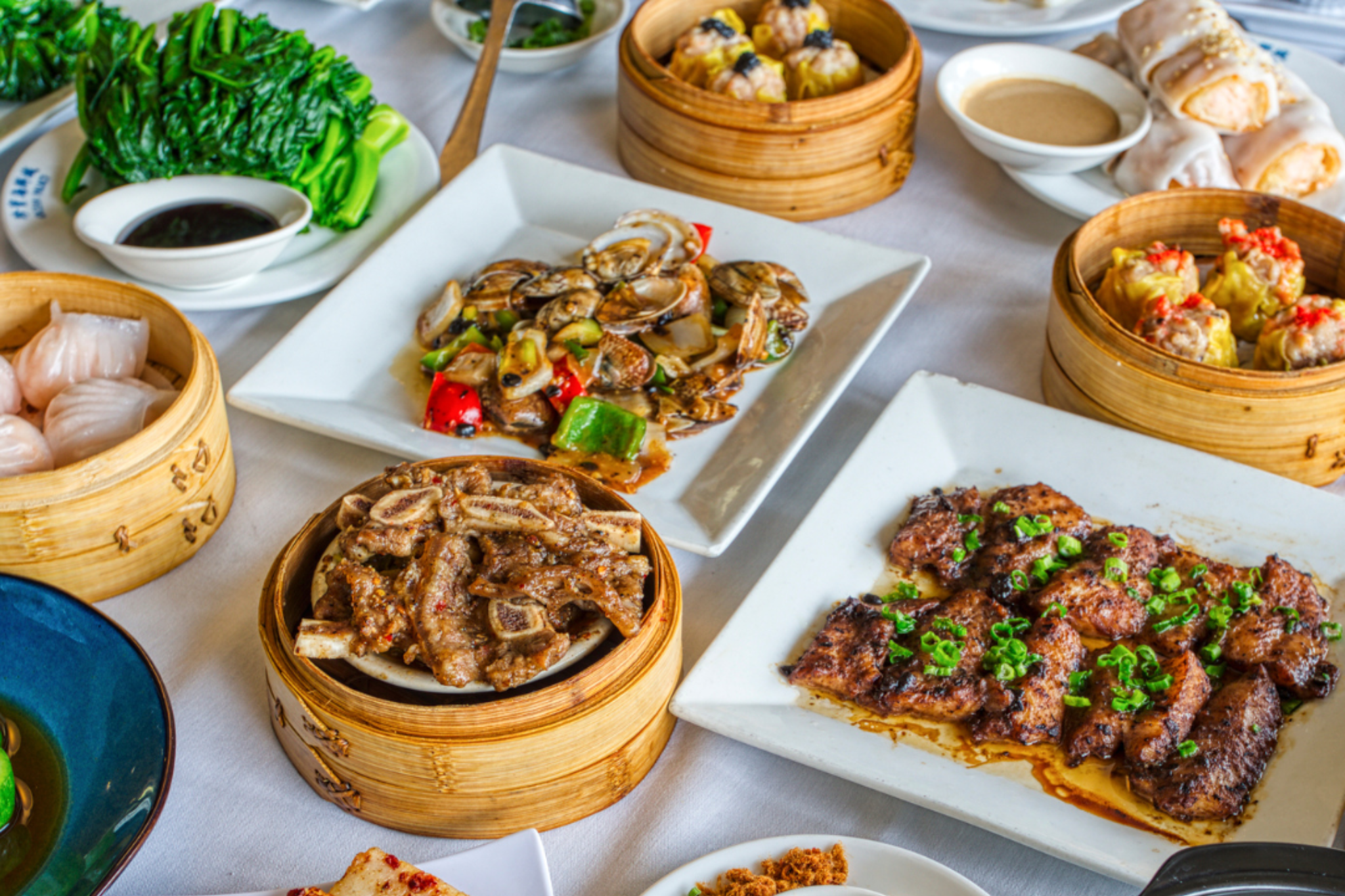
First, let’s get the vibe right. Dim sum isn't just a meal; it's a social event, a Cantonese brunch tradition, often stretching into the afternoon. It means 'to touch the heart' or 'dot the heart,' referring to the small, delicate dishes designed to be shared over tea. You'll find it served in grand banquet halls, bustling neighborhood spots, and everything in between. The key is variety: a symphony of steamed, fried, baked, and sweet bites.
Historically, dim sum was served from pushcarts, where servers would call out dish names and stamp your card. Many places still do this, offering a thrilling, if sometimes overwhelming, experience. Other restaurants have moved to a paper checklist, where you mark your selections and hand it to a server. Either way, the goal is the same: try a little bit of everything.
Steamed Delights: Beyond Har Gow and Siu Mai
Everyone knows har gow (steamed shrimp dumplings, with that signature translucent skin) and siu mai (open-faced pork and shrimp dumplings). They're classics for a reason! But the steamed section of the menu holds so much more. Don't skip these:
- Cheung Fun (Rice Noodle Rolls): These silky, rolled rice noodles come with various fillings – often shrimp, BBQ pork, or beef – drizzled with a sweet soy sauce. The texture is key: slippery, tender, and utterly comforting.
- Lo Mai Gai (Sticky Rice in Lotus Leaf): A true masterpiece. Glutinous rice, often filled with chicken, Chinese sausage, dried shrimp, and mushrooms, all steamed within a fragrant lotus leaf. It's a meal in itself, earthy and deeply satisfying.
- Char Siu Bao (Steamed BBQ Pork Buns): Fluffy, cloud-like white buns bursting with savory-sweet char siu pork. The dough is slightly sweet, contrasting beautifully with the rich filling.
- Gai Lan (Chinese Broccoli) with Oyster Sauce: A necessary green counterpoint to all the rich dumplings. Perfectly steamed, crisp-tender, and vibrant.
Fried & Baked: Crunchy, Crispy, Salty Goodness
While steamed dishes are light, the fried and baked items bring a crucial textural contrast and often a richer flavor profile. Don't let the oil scare you; these are essential.
- Taro Root Dumplings (Wu Gok): A personal favorite. A delicate, lacy fried shell of mashed taro root encasing a savory filling of minced pork and mushrooms. It's crispy on the outside, fluffy within, and savory all over.
- Pan-Fried Turnip Cake (Lo Bak Go): Made from shredded daikon radish, rice flour, and often speckles of dried shrimp and Chinese sausage. It's steamed until firm, then pan-fried until beautifully crisp on the outside. A subtle savory flavor that pairs wonderfully with chili sauce.
- Spring Rolls (Chun Juan): While common, a good dim sum spring roll is hard to beat. Crispy, golden, and often filled with vegetables and sometimes shrimp or pork.
- Baked Char Siu Bao: The baked cousin of the steamed bun, often with a slightly sweet, glazed crust. A different texture entirely, but equally delicious.
Sweet Endings: The Dessert Cart
Don't leave without a little something sweet to cleanse your palate. Dim sum desserts are generally less sugary than Western ones, focusing on natural sweetness and unique textures.
- Egg Tarts (Dan Tat): A classic for a reason. Flaky, buttery pastry crust holding a rich, silky smooth custard filling, baked until just set with a hint of caramelization.
- Mango Pudding: Often served in individual molds, this wobbly, refreshing pudding is bright with fresh mango flavor, sometimes topped with evaporated milk.
- Sesame Balls (Jian Dui): Crispy, chewy glutinous rice balls coated in sesame seeds, often filled with sweet red bean paste or sometimes lotus seed paste. A delightful textural experience.
How to Order Like a Pro (and Not Overdo It)
So, you’ve got a handle on the dishes. Now, how do you tackle the actual ordering?
- Start Small: A good rule of thumb is 3-4 dishes per person for a first round, then order more as you go. They are small plates, but they add up quickly.
- Variety is Key: Mix textures and cooking methods. Get some steamed, some fried, a green, and a dessert. This keeps your palate engaged.
- Don't Be Afraid to Point: Especially with cart service, if you see something appetizing but don't know the name, just point! The servers are used to it.
- Ask for Recommendations: If you're unsure, ask your server what they recommend or what's popular. They're usually happy to help you discover new favorites.
- Use Your Phone: Sometimes, even with the best intentions, a dish arrives that's not quite what you expected. This is where an app like MenuDish comes in handy. A quick scan of the menu (or even just the dish name) can show you real photos, ingredients, and even potential allergens, taking the guesswork out of your order.
- Pace Yourself: Dim sum is meant to be leisurely. Enjoy your tea, chat with your companions, and let the dishes arrive at a comfortable pace.
Dim sum is an incredibly rewarding culinary experience once you move past the initial intimidation. Be adventurous, embrace the communal spirit, and enjoy the delicious journey of discovery!
Don't cook it — find it.
See every dish on any menu before you order. Scan, see the photo, check allergens & nutrition.