Key takeaways
- Meze naturally splits into two waves: cold dips and herb salads first, followed by warm cooked dishes.
- Kibbeh Nayyeh is minced raw spiced lamb or beef, considered a prized delicacy best enjoyed early in the meal.
- Garlic toum is a potent emulsion meant for grilled chicken, not a dip for bread.
- Pace your ordering—grills (mashawi) arrive last and are typically shared across the table.
The rhythm of a traditional meze spread
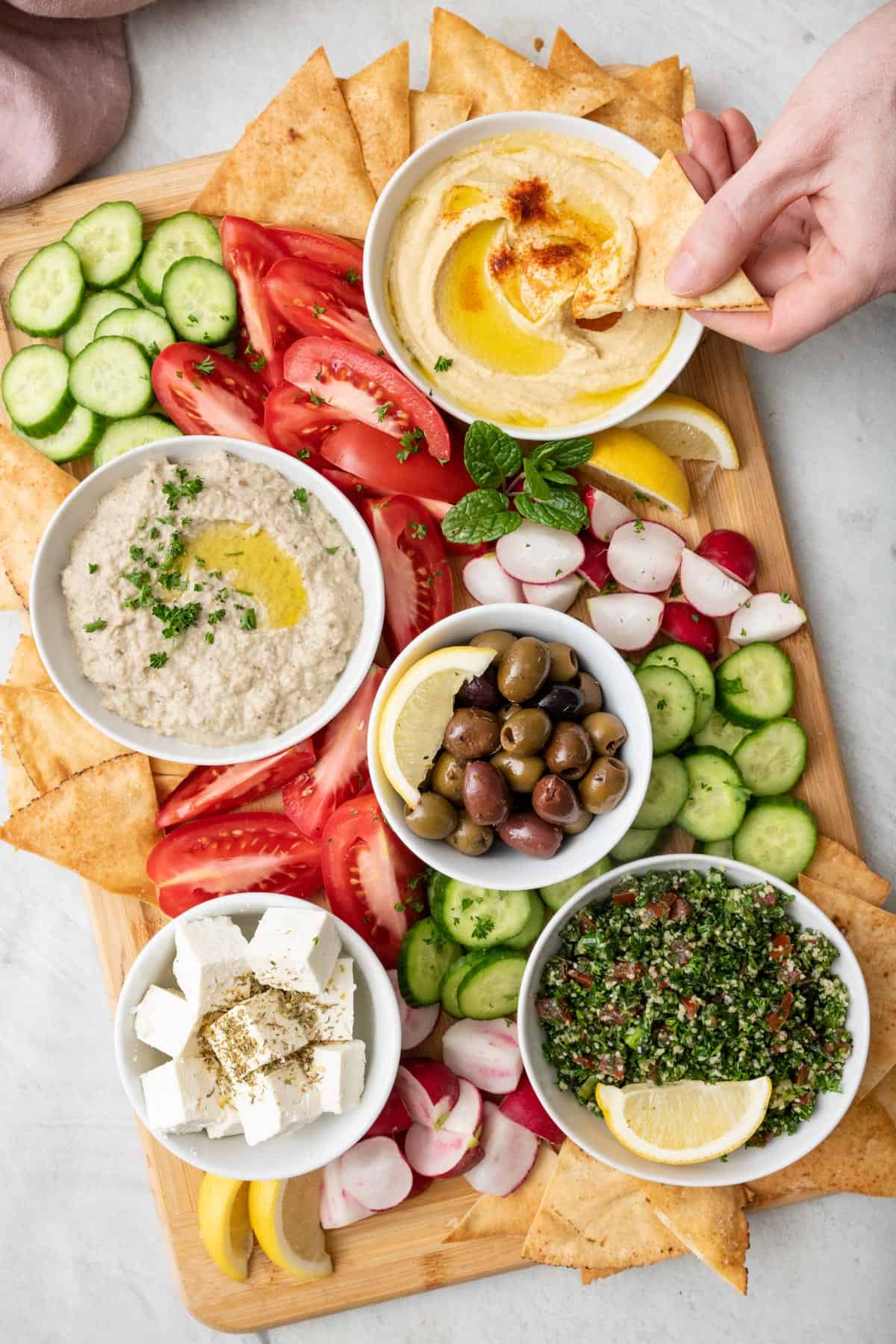
Dining in Beirut or at a neighborhood Lebanese joint isn’t structured around the classic Western sequence of starter, main, and dessert. Instead, the meal centers on meze, an expansive array of small dishes brought out in waves. The meal opens with raw vegetables, pickles, and cold dips, moves into warm savory bites, and culminates in skewers fresh off the charcoal grill.
When looking at the menu, resist the urge to order main courses immediately. A proper Lebanese meal lets the cold dishes set the stage. Taking time between small bites allows the tart garlic, lemony sumac, and fragrant za'atar to open up your appetite.
Cold meze: dips, salads, and raw cuts
The cold section forms the backbone of the table. Beyond basic hummus, menus offer variations like Hummus Beiruti, which adds garlic, parsley, and whole chickpeas to the whipped tahini base. Moutabal is smoky roasted eggplant blended with tahini and lemon juice, frequently confused with baba ghanoush (which contains chopped tomatoes and pomegranates rather than tahini).
Salads here carry major personality. Tabbouleh is primarily a herb salad—finely chopped flat-leaf parsley bound with minimal bulgur, mint, and olive oil. If a bowl arrives overflowing with cracked wheat, it’s a red flag. Fattoush features crisp romaine, purslane, radishes, and fried pita chips tossed in a sharp sumac-pomegranate molasses dressing.
For adventurous eaters, look under the Raw / Nayyeh header. Kibbeh Nayyeh is minced raw lamb or beef pounded with bulgur, onion, and aromatic spices. Spread it over pita with a leaf of fresh mint and a drop of olive oil for one of the most celebrated textures in Levantine cooking.
Hot meze: pastries, liver, and spiced sausages
Once cold dips start circulating, hot dishes hit the table. This section features small pastries like Sambousek (crescent-shaped fried pies stuffed with spiced minced meat or halloumi cheese) and Fatayer (triangle-shaped pastries stuffed with sour spinach and sumac).
Don't pass over the skillet dishes. Sawda Dajaj—chicken livers sautéed in garlic, coriander, and sweet-tart pomegranate molasses—offers a buttery contrast to the acidic salads. Sausages also feature heavily: Soujouk delivers a firm, heavy garlic and chili punch, while Makanek are smaller, milder sausages flavored with pine nuts, cinnamon, and nutmeg.
Vegetarians should keep an eye out for Batata Harra, crispy cubed potatoes tossed with coriander, garlic, red pepper flakes, and lemon juice.
Mashawi: the meat dishes that follow
If you still have room after meze, the Mashawi (charcoal grills) section comes next. Meats are marinated heavily and grilled over open embers, usually resting atop a sheet of flatbread that absorbs all the savory juices.
Shish Taouk consists of tender chicken breast cubes marinated in yogurt, garlic, lemon, and tomato paste. Kafta is seasoned ground lamb or beef kneaded with parsley and onions, shaped onto flat skewers. For lamb lovers, Riyash (marinated lamb chops grilled medium) are standard.
Every order of grilled chicken comes accompanied by Toum, a dense white sauce made strictly of garlic, oil, salt, and lemon juice whipped into a thick cream. Spread it thin over your chicken—it packs serious heat.
Translating tricky menu items on the spot
Lebanese menus often mix Arabic regional names with French transliterations depending on the restaurant's background. Words like Arayes (pita pocket stuffed with spiced meat and grilled crisp) or Warak Enab (stuffed grape leaves simmered in olive oil and lemon) can look opaque when listed without English descriptions.
If you find yourself stuck staring at unfamiliar Arabic terms on a printed menu, pulling up MenuDish on your phone lets you scan the menu instantly to see real dish photos paired with ingredient breakdowns. Seeing what a bowl of Kibbeh Nayyeh or Moutabal actually looks like before ordering removes all the guesswork.
Don't cook it — find it.
See every dish on any menu before you order. Scan, see the photo, check allergens & nutrition.