Blog Menu tips How to Read a Japanese Yakiniku Menu
Menu tips 🌐 Japanese

How to Read a Japanese Yakiniku Menu: Beef Cuts, Dips, and Grill Etiquette

You sit down in a smoky booth in Tokyo, handed a laminated menu packed with kanji, diagrams of cows, and mystery cuts labeled in katakana. The table next to you is searing thin sheets of marbled beef over glowing charcoal, while you try to figure out whether karubi or harami is the cut you actually want.

How to Read a Japanese Yakiniku Menu: Beef Cuts, Dips, and Grill Etiquette
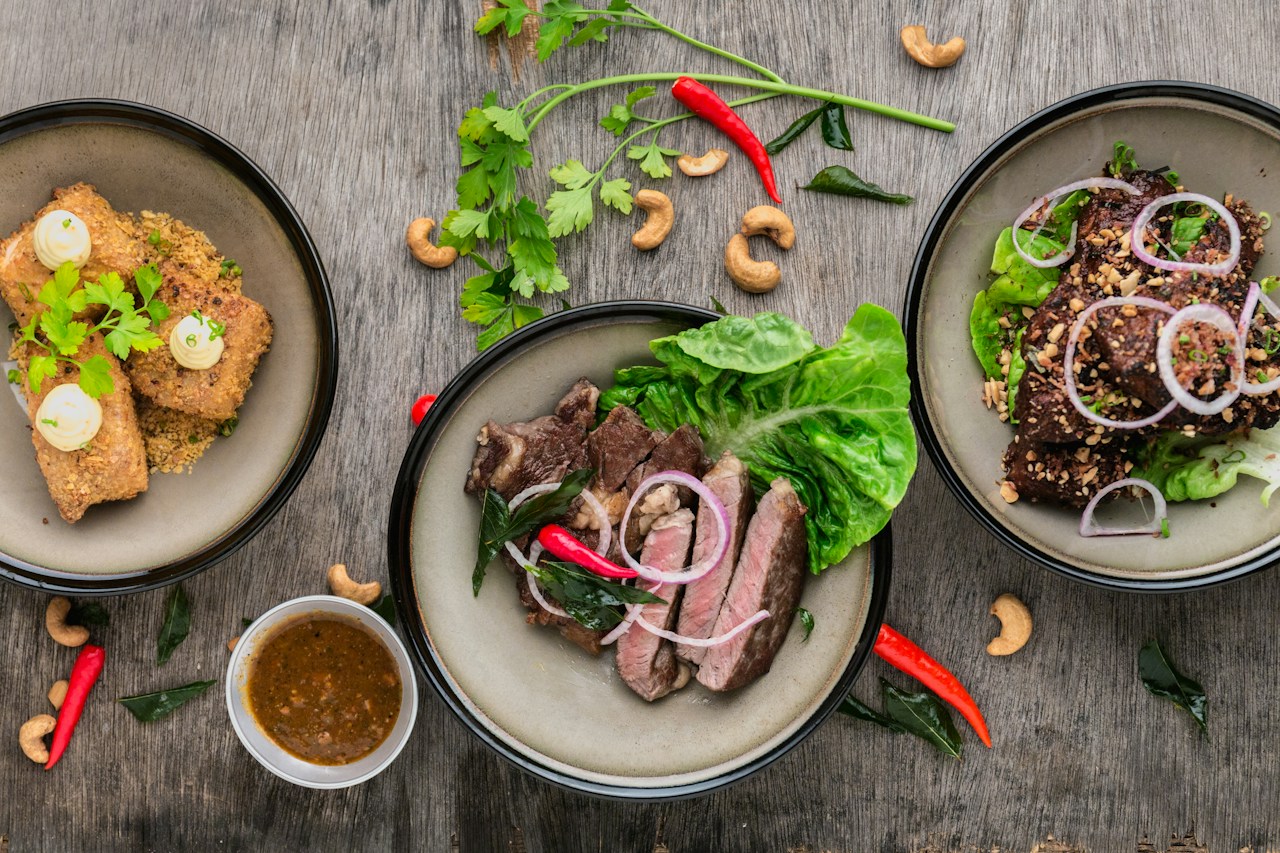
How to Read a Japanese Yakiniku Menu — Photo via MenuDish.

Key takeaways

  • Karubi (short rib) is rich and fatty, while harami (skirt steak) is beefy, tender, and leaner.
  • Always decide between shio (salt and sesame oil) and tare (sweet soy glaze) when ordering each cut.
  • Gyutan (beef tongue) goes on the grill first before richer, sauced meats contaminate the wire mesh.
  • Standard ordering includes sides like namul (seasoned veggies) and kimchee to cut through the rich meat fats.

The big three beef cuts: Karubi, Harami, and Rōsu

When looking at a Japanese yakiniku menu, three core cuts dominate the beef section. Karubi (boneless short rib) is the king of yakiniku—striated with rich marbling that blazes over the charcoal and melts on your tongue. If you prefer deep beef flavor with less fat, order harami (skirt steak). Technically offal, harami eats like a tender steak tenderloin with satisfying chew. Rōsu (loin or chuck) sits right in the middle, offering a balanced bite that holds sauce well without dripping rendered fat into the coals.

The seasoning decision: Shio or Tare?

Almost every meat item on the menu asks you to make a choice: shio (salt) or tare (sweet soy sauce glaze). Salty, citrusy shio with a splash of sesame oil lets high-grade Wagyu flavor shine through. Richer, heavily marbled cuts or offal often taste best with tare, a sticky sauce made from soy sauce, mirin, sugar, and garlic that caramelizes rapidly over high heat.

Starting with tongue and brave offal cuts

Yakiniku traditionalists always start their meal with thin slices of gyutan (beef tongue), grilled quickly and finished with a squeeze of fresh lemon. After the prime cuts, the menu shifts into horumon (offal). Cuts like mino (first stomach) offer a crunchy texture, while horumon (large intestine) rendered over open flame delivers smoky, rich fat. If you ever feel stuck staring at anatomical diagrams of offal, scanning the table menu with MenuDish lets you view real dish photos of each cut so you know exactly what is landing on your grill screen.

Pacing your meal with rice, namul, and cold noodles

Eating pure meat can overwhelm your palate quickly. Balance your grill items with namul (assorted seasoned sesame vegetables), Korean-style cabbage kimchee, and a steamy bowl of white rice. Rice is not just a side here—resting a hot piece of tare-glazed karubi over steamed rice turns every bite into perfection. Finish the meal with reimen (chilled buckwheat noodles in icy broth) to cleanse the palate before stepping back into the street.

Grid rules: how to grill without burning your dinner

Keep thin cuts moving—they only need 15 to 30 seconds per side. Don't crowd the mesh (ami), and feel free to ask the server for an ami ko-kan (mesh change) if charred sauce builds up. When pulling meats off the grill, use the dedicated metal tongs rather than your personal chopsticks to maintain clean food practices.

Don't cook it — find it.

See every dish on any menu before you order. Scan, see the photo, check allergens & nutrition.

Frequently asked questions

What is the difference between karubi and harami in yakiniku?
Karubi is boneless short rib, known for heavy marbling, rich fat, and melt-in-your-mouth texture. Harami is skirt steak, which is leaner, deeper in beefy flavor, and tender with a gentle chew.
Should I choose tare or shio at a yakiniku restaurant?
Choose shio (salt) for delicate cuts like gyutan (tongue) or premium Wagyu where you want the meat flavor to shine. Choose tare (sweet soy sauce) for richer cuts like karubi or offal that benefit from a caramelized glaze.
Why do Japanese yakiniku menus serve beef tongue first?
Gyutan (beef tongue) is seasoned simply with salt and lemon. Cooking it first on a fresh grill wire prevents heavy sweet tare sauces from burning and tainting the delicate tongue flavor.
What does horumon mean on a Japanese yakiniku menu?
Horumon refers to beef or pork offal cuts, including intestines, tripe, liver, and heart. They are loved for their varied textures ranging from chewy to crunchy.

Keep reading

Related dish guides

What is a Tamale? Your Guide to Mesoamerica's Steamed Masa Pocket
Dish guide 6 min

What is a Tamale? Your Guide to Mesoamerica's Steamed Masa Pocket

Unwrapping a tamale is a tiny ritual. You peel back a hot, steamed corn husk to reveal a fragrant block of golden corn dough that yields easily under a fork.

Read more
What is Flammkuchen? Your Guide to Alsace's Crispy Flatbread
Dish guide 6 min

What is Flammkuchen? Your Guide to Alsace's Crispy Flatbread

You sit down at a wooden table in Strasbourg, surrounded by timbered walls and chalkboards listing items in a dialect that feels half-French and half-German. A rectangular wooden board hits the next table, carrying a parchment-thin crust topped with sizzled bacon bits and sweet melted onions, blistering at the edges. That is Flammkuchen—or tarte flambĆ©e—and it is one of eastern France's greatest tavern foods.

Read more
What is Katsu Curry? Your Guide to Japan's Ultimate Comfort Food
Dish guide 6 min

What is Katsu Curry? Your Guide to Japan's Ultimate Comfort Food

Walk past a curry house in Tokyo around noon, and the smell hits you before you even see the door: sweet caramelized onions, toasted spices, and hot pork fat sputtering in fresh panko. Katsu curry is Japanese comfort food at its most unapologetic—a crisp, golden cutlet smothered in a dark, thick roux over sticky short-grain rice.

Read more

Ready to order smarter?

Never order a mystery dish again.

Scan the menu, see real photos for every dish, and check ingredients, allergens and nutrition — all in a couple of seconds.

How to Read a Japanese Yakiniku Menu: Beef Cuts, Dips, and Grill Etiquette in the MenuDish app
How to Read a Japanese Yakiniku Menu