Key takeaways
- Rosu is a juicy pork loin cut with a strip of rich fat, while Hire is a lean, tender pork fillet.
- Higher-priced options usually indicate premium heritage breeds like Kurobuta (Berkshire pork) rather than larger portion sizes.
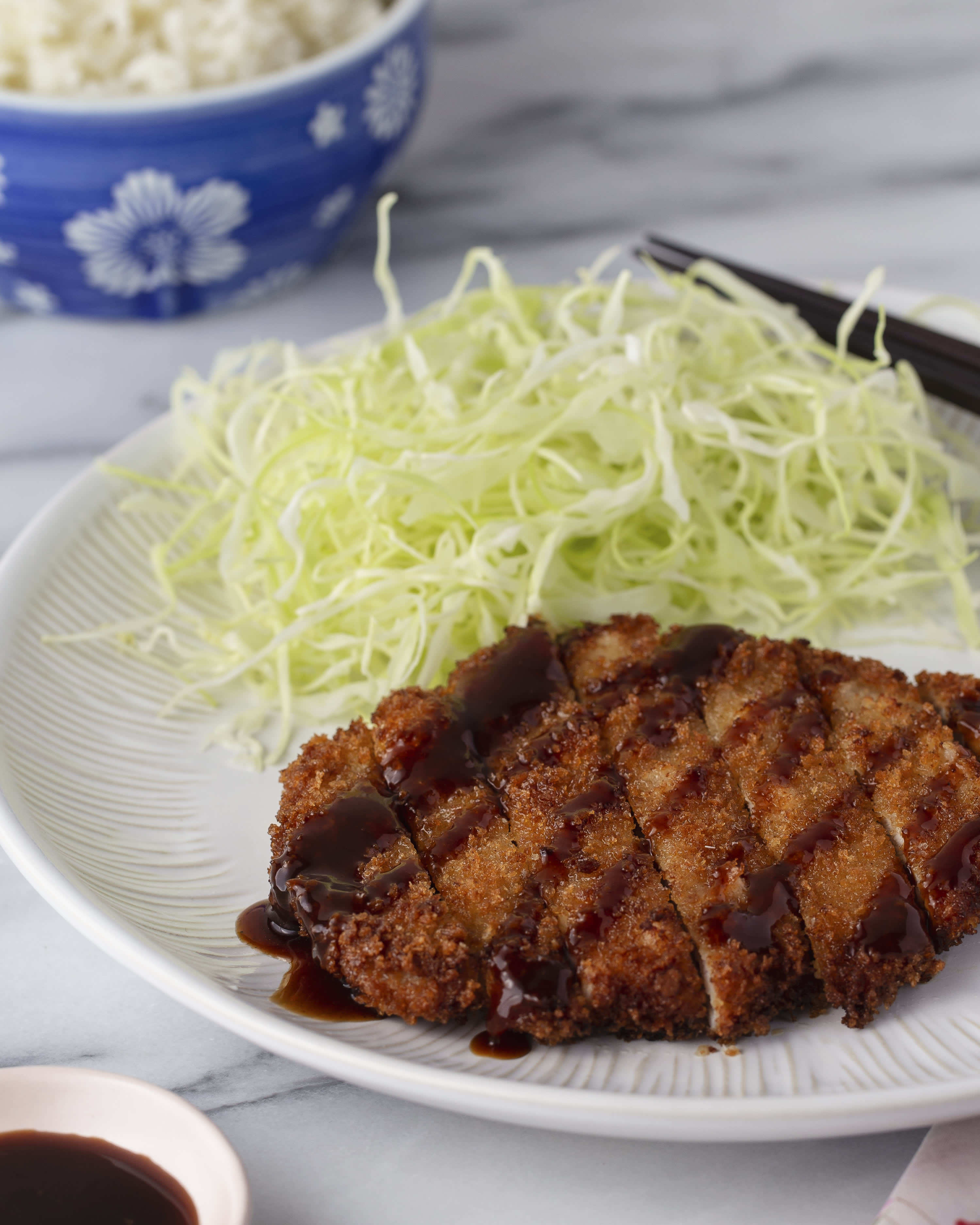
- Most tonkatsu comes as a Teishoku set meal, which includes rice, shredded cabbage, miso soup, and pickles.
- Grind the toasted sesame seeds in your ceramic mortar before pouring the dark, tangy tonkatsu sauce over them.
Rosu vs. Hire: The Core Pork Cut Decision
Every tonkatsu menu starts with a choice between two main cuts of pork: Rosu-katsu (pork loin) and Hire-katsu (pork tenderloin or fillet). Knowing which flavor profile you prefer makes ordering instant.
Rosu-katsu comes from the pork loin. It carries a prominent cap of flavorful white fat along one edge. When deep-fried, that fat melts into the surrounding meat, giving Rosu a rich bite and savory finish. If you like ribeye steaks or flavorful bacon, order Rosu.
Hire-katsu uses the lean tenderloin muscle. The kitchen strips away all fat before coating the meat in thick panko flakes. Hire yields round or oval medallions that stay incredibly tender without feeling heavy. If you prefer lean meat or want a lighter meal, choose Hire.
Heritage Breeds and Price Tiers
Menu prices for tonkatsu can range from 1,000 yen at a quick-serve counter to over 4,000 yen at an artisanal shop. That price gap rarely reflects raw weight; it points directly to the pork breed and aging process.
Standard items feature domestic Japanese pork (Kokusan-buta). Premium items highlight regional heritage pigs, most notably Kurobuta (Black Berkshire pork from Kagoshima), famous for its sweet fat and dark, heavily marbled meat. You might also spot Jukusei-buta (aged pork) or specialty regional brands like Sangenton.
When a menu lists Tokujo or Jō next to a cut, that refers to high-grade thick cuts taken from the best section of the loin. Standard orders are marked as Nami.
The Table Ritual: Sesame, Sauce, and Karashi
Shortly after you order, your server will likely hand you a small ridged ceramic bowl (a suribachi) filled with toasted sesame seeds and a small wooden pestle. This is your sauce base, not a side dish.
Use the pestle to gently crush the seeds using a circular motion until they release an aromatic oil. Stop crushing before it turns into a paste—you want a coarse meal. Next, reach for the ceramic sauce jar at your table and pour the dark, Worcestershire-based tonkatsu sauce straight into the bowl over your ground seeds.
Dip each slice of pork into this freshly mixed sauce rather than drenching the entire cutlet on your plate. Drenching ruins the crispiness of the panko coating. On the side of your plate, you will also notice a dollop of bright yellow mustard (karashi). A tiny dab directly onto a piece of pork cuts straight through the rich fat.
Teishoku Sets and the Refill Secret
Unless you order an a la carte cutlet (Tannhin), tonkatsu is served as a complete Teishoku set meal. The tray arrives with your hot cutlet resting on a wire rack, a mountain of paper-thin shredded cabbage, a bowl of steamed white rice, red miso soup (often made with tiny shijimi clams), and a small dish of pickled vegetables (tsukemono).
The mound of raw cabbage serves an actual culinary purpose: raw brassica enzymes help your stomach digest deep-fried food. Most traditional tonkatsu restaurants offer free refills (okawari free) on rice, shredded cabbage, and miso soup.
If you need extra cabbage or rice, point to your empty bowl and ask the staff for "cabbage okawari" or "gohan okawari". It is completely customary and encouraged.
Katsu Variations and Side Dishes
Beyond basic Rosu and Hire cutlets, tonkatsu menus feature several popular variations and seafood additions that can make the printed text confusing.
Look out for Ebi-fry (jumbo panko-crusted prawns), Menchi-katsu (deep-fried minced pork and onion patties), and Katsudonn (a cutlet simmered with sweet dashi, onions, and scrambled egg served over rice). If you want a bit of everything, look for a Mix-katsu combo plate.
When facing handwritten specials on wooden plaques along the wall, scanning the text with MenuDish displays matched food photos alongside real translated ingredient details, taking the guesswork out of localized pork cuts and seasonal seafood additions.
Don't cook it — find it.
See every dish on any menu before you order. Scan, see the photo, check allergens & nutrition.