Key takeaways
- Always clarify the per-pound price and total weight before sending live seafood from the tank to the kitchen.
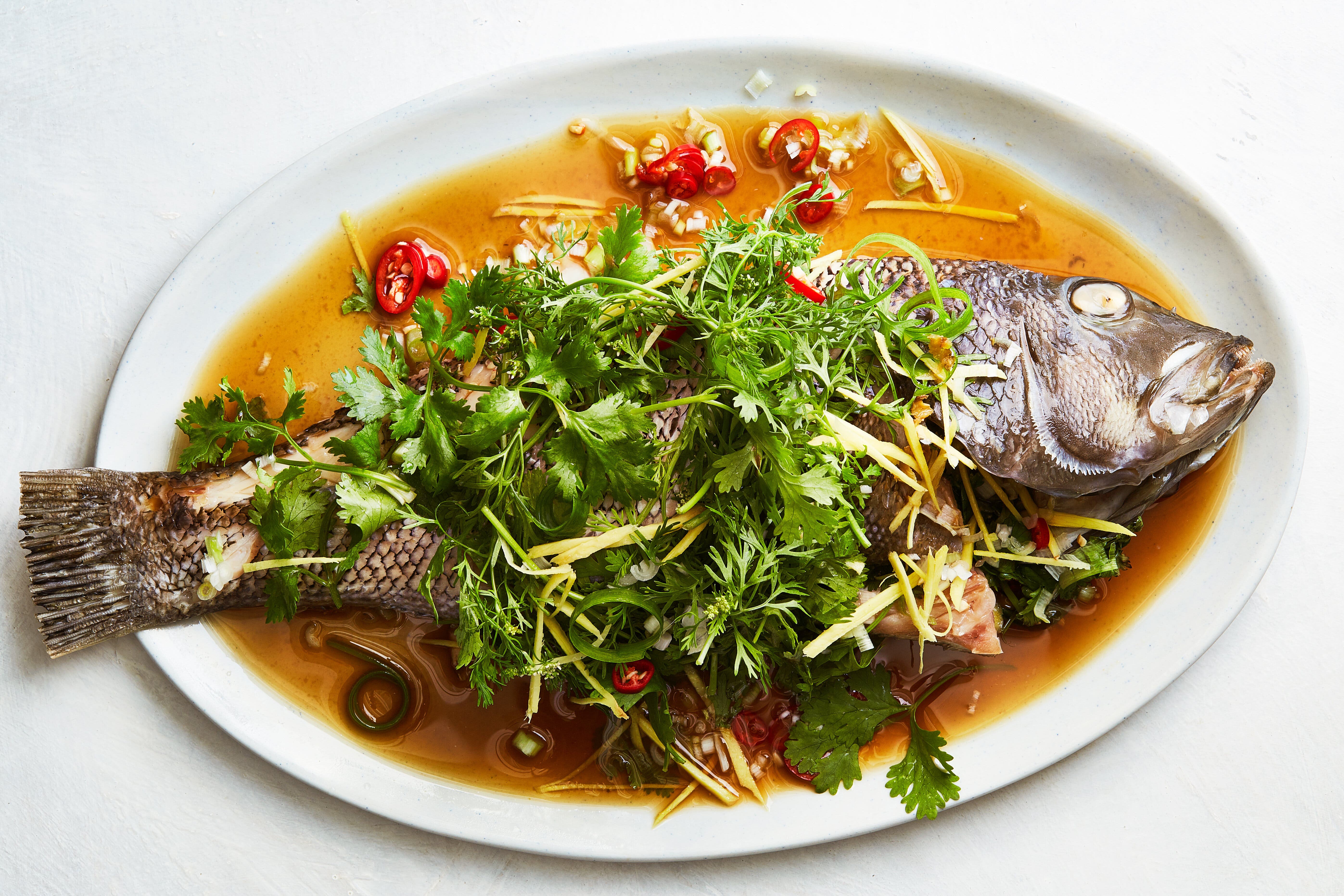
- Steamed whole fish with ginger and scallions is the ultimate test of a Cantonese chef's knife and wok skills.
- Terms like 'Golden Sand' mean fried in salted egg yolk, while 'Typhoon Shelter' brings heavy garlic and chili crunch.
- Tap two fingers on the table when someone pours your tea to show quiet thanks without interrupting conversation.
The Truth About 'Market Price' and Live Tanks
That printed label reading Market Price (时价, Sèh Kaa) on high-end seafood items is not a polite suggestion. In Cantonese dining, live fish, lobster, crab, and geoduck are billed by weight—often per tael (about 37.5 grams in traditional Chinese markets) or per pound in Western cities.
When you point to a swimming Coral Trout or Dungeness Crab, the waiter net-fishes it out, puts it in a plastic bucket, and brings it over for your approval. This isn't just a theatrical performance; it's your window to confirm two things: that the creature is lively and that you agree on the scale reading. Don't hesitate to ask for the exact estimated total cost before giving the kitchen the green light to prepare it.
From Steamed to Typhoon Shelter: Decoding Cook Methods
Cantonese seafood technique hinges on respecting original flavors rather than heavy masking sauces. How a kitchen prepares your selection changes everything on the plate:
Ching Jing (清蒸 - Steamed): The gold standard for fresh whole fish. The fish is flash-steamed with slivered ginger, laid over a bed of scallions, and finished at the table with a pour of piping-hot oil and light, sweetened soy sauce. If a fish isn't live, no chef will recommend steaming it.
Biang Chau (避风塘 - Typhoon Shelter): Originating from Hong Kong's floating fishing communities, this preparation smothers fried crab or lobster under mountains of crispy golden garlic, black beans, red chili, and toasted breadcrumbs. It is intense, fragrant, and crunchy.
Gum Saa (金沙 - Golden Sand): Seafood—usually prawns or squid—is battered and tossed in creamy, mashed salted duck egg yolks. It creates a rich, savory crust with a distinct buttery graininess.
If you run into handwritten specials taped to the wall that lack English translations, opening MenuDish helps you scan the characters. The app decodes Cantonese prep names and matches them with real food photos so you can see if 'Salt and Pepper' means a light dry rub or a heavy deep fry.
Building the Table: Bedding Your Shellfish
Order a whole lobster or Dungeness crab cooked with ginger and scallions (葱姜), and the waiter will invariably ask: "Do you want noodles underneath?"
Say yes. The kitchen will lay a nest of fried E-Fu noodles (伊面) or flat rice noodles under the shellfish. As the dish sits on the lazy susan, those soft, porous noodles absorb every drop of rich lobster juices, sweet cooking wine, and aromatic ginger sauce. It turns a single seafood plate into a centerpiece starch dish that easily feeds four.
Pouring Tea, Rinsing Bowls, and Table Etiquette
When you sit down, a hot plastic tub filled with hot water or tea often arrives alongside your tableware. This is for Gwat Bong—a quick ritual where diners rinse their small bowls, tea cups, and chopsticks in hot liquid using plastic tongs before eating.
Keep an eye on the teapot. If someone fills your cup, tap your index and middle fingers twice on the tabletop near your cup. This gesture mimics a silent bow of gratitude so you don't interrupt ongoing table conversation. When the teapot runs empty, simply flip the lid upside down or prop it open against the handle; servers spot this across a noisy room instantly and bring a refill.
Don't cook it — find it.
See every dish on any menu before you order. Scan, see the photo, check allergens & nutrition.
Allergens: Shellfish, Fish, Soy, Sesame, Gluten. The MenuDish app flags these automatically for every dish it scans.