Key takeaways
- Thai cuisine balances sweet, sour, salty, spicy, and umami flavors in most dishes.
- Don't stick to Pad Thai; explore noodle dishes like Pad See Ew and curries like Massaman or Green Curry.
- Spice levels can vary wildly; ask for 'mai pet' (not spicy) or 'pet nit noi' (a little spicy) if you're sensitive.
- Understand common ingredients like fish sauce (nam pla), galangal (kha), and coconut milk (gati) to predict flavors.
- Apps like MenuDish can help you visualize dishes and understand ingredients before you order.
Why Thai Menus Feel Overwhelming
Thai menus often present a dizzying array of options, and it’s not just the sheer number of dishes. The names themselves can be a mouthful, often describing the cooking method, main ingredient, and even the region of origin. It’s not like Italian where 'pasta' is a clear category. In Thailand, a 'Pad' dish is stir-fried, a 'Tom' dish is a soup, and 'Gaeng' refers to a curry. Knowing these prefixes is your first step to unlocking the menu.
Also, regional variations play a huge role. Northern Thai food, for instance, tends to be milder and uses more herbs, while Southern Thai dishes are often fiercely spicy and rely heavily on coconut milk and seafood. Most restaurants in the West will offer a mix, but understanding the general leanings helps.
The Five Flavor Pillars
At its heart, Thai cooking is about balance. Every dish strives to hit five key flavor notes: sweet (sugar, palm sugar), sour (lime, tamarind), salty (fish sauce, soy sauce), spicy (chilis), and umami (fish sauce, shrimp paste). When a dish is truly great, these elements dance together, creating a harmonious, complex taste that’s more than the sum of its parts. Don't be surprised if a curry is spicy but also carries a subtle sweetness, or a salad is sour yet deeply savory.
Beyond Pad Thai: Essential Noodle Dishes
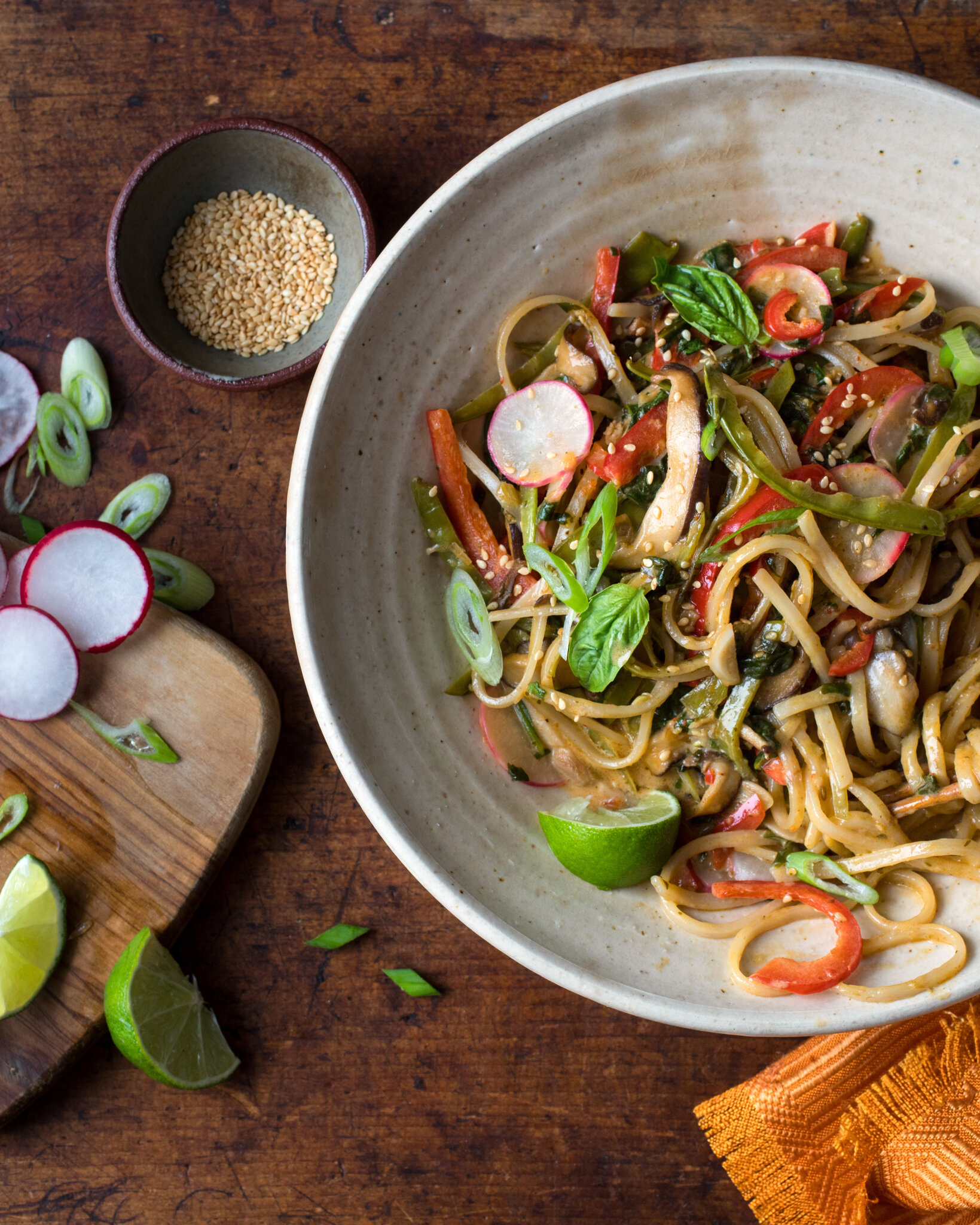
Pad Thai is just the beginning. If you love noodles, here are a few absolute must-tries:
- Pad See Ew: This is my go-to comfort food. Wide, flat rice noodles stir-fried with Chinese broccoli, egg, and your choice of protein, all coated in a dark, savory soy sauce. It’s less sweet than Pad Thai and wonderfully charred.
- Rad Na: Another wide-noodle dish, but this one comes smothered in a thick, glossy, savory gravy, often with marinated pork or chicken and Chinese broccoli. The noodles are usually pan-fried until slightly crispy before the sauce is added.
- Pad Kee Mao (Drunken Noodles): Don't let the name fool you – there's no alcohol, just a fiery kick. These wide noodles are stir-fried with basil, chilis, garlic, and often bell peppers and green beans. It’s aromatic, spicy, and incredibly satisfying.
Curry Power: Understanding the Colors
Thai curries are legendary, each with its own distinct personality. The color of the curry often hints at its core ingredients and spice level:
- Gaeng Keow Wan (Green Curry): Made with fresh green chilis, this curry is usually quite spicy, bright, and fragrant with basil and bamboo shoots. It’s rich with coconut milk.
- Gaeng Phet (Red Curry): Red chilis give this curry its color. It's often a bit milder than green curry but still has a good kick, balanced with bamboo shoots and basil.
- Gaeng Massaman (Massaman Curry): A truly unique curry, influenced by Persian and Indian flavors. It’s richer, sweeter, and milder than other Thai curries, featuring spices like cardamom, cinnamon, and cloves, often with peanuts, potatoes, and beef or chicken.
- Gaeng Panang (Panang Curry): Thicker and creamier than red or green curries, Panang is known for its sweet, salty, and nutty flavor profile, often garnished with kaffir lime leaves. It's usually less spicy.
Soups, Salads, and Sides
Don’t skip the starters and sides; they're often the most vibrant part of the meal.
- Tom Yum Goong: The iconic hot and sour shrimp soup, bursting with lemongrass, galangal, kaffir lime leaves, and chilis. It’s an invigorating kick to the palate.
- Tom Kha Gai: A milder, creamier coconut chicken soup, balancing the sourness with rich coconut milk. Still fragrant with galangal and lemongrass.
- Larb Gai: A refreshing and zesty minced chicken salad (often pork or mushroom too), tossed with toasted rice powder, lime juice, fish sauce, herbs, and chilis. It’s savory, sour, and spicy all at once.
- Som Tum (Papaya Salad): A vibrant, crunchy salad made from shredded green papaya, peanuts, green beans, tomatoes, and a dressing that’s a perfect storm of spicy, sour, sweet, and salty. It’s a textural and flavor explosion.
Ordering Like a Pro
When you're ready to order, a few phrases can make all the difference. If you're sensitive to spice, definitely say 'mai pet' (not spicy) or 'pet nit noi' (a little spicy). If you love heat, ask for 'pet mak mak' (very spicy). Most dishes come with jasmine rice (khao hom mali), but you might also see sticky rice (khao niao), especially with Northern Thai dishes or mango dessert.
Trying new dishes can feel like a gamble. Will it be too spicy? What are those chunky bits? This is where an app like MenuDish comes in handy. You can scan the menu, and it will match dishes to real photos, so you can actually see what that 'Gaeng Panang' looks like before it arrives. It also helps surface ingredients and potential allergens, which is a lifesaver if you have dietary restrictions.
Explore and Enjoy!
The beauty of Thai cuisine is in its endless variety and the masterful way it balances bold flavors. Don't be afraid to step away from your usual order. Ask your server for recommendations, try a dish you've never heard of, or simply pick something based on a photo you liked on MenuDish. You might just discover your new favorite meal.
Don't cook it — find it.
See every dish on any menu before you order. Scan, see the photo, check allergens & nutrition.