Key takeaways
- French menus are often structured with common sections: Entrée (starter), Plat (main), and Dessert.
- Look for key preparation terms like 'braisé' (braised), 'rôti' (roasted), 'grillé' (grilled), and 'à la plancha' (griddled).
- Don't be afraid to ask about regional specialties, as French cuisine varies significantly by area.
- Sauces are central to French cooking; terms like 'jus' (natural pan sauce), 'béarnaise', and 'hollandaise' are common.
- Tools like MenuDish can help you see photos of unfamiliar dishes and understand ingredients before committing.
The Basic Blueprint: Entrée, Plat, Dessert
First things first: the structure. A typical French menu isn't all that different from what you'd find elsewhere, but the terms can trip you up. 'Entrée' doesn't mean your main course; it's the starter. Think pâtés, terrines, soups like soupe à l'oignon (onion soup), or delicate salads. The real star of the show, your main course, is the 'Plat' (or Plat Principal).
This is where you'll find your roasted meats, fish, stews, and heartier dishes. Finally, 'Dessert' is, well, dessert. Expect classics like crème brûlée, mousse au chocolat, or a simple plate of artisanal cheeses (plateau de fromages).
Beyond the Name: Understanding Preparation & Ingredients
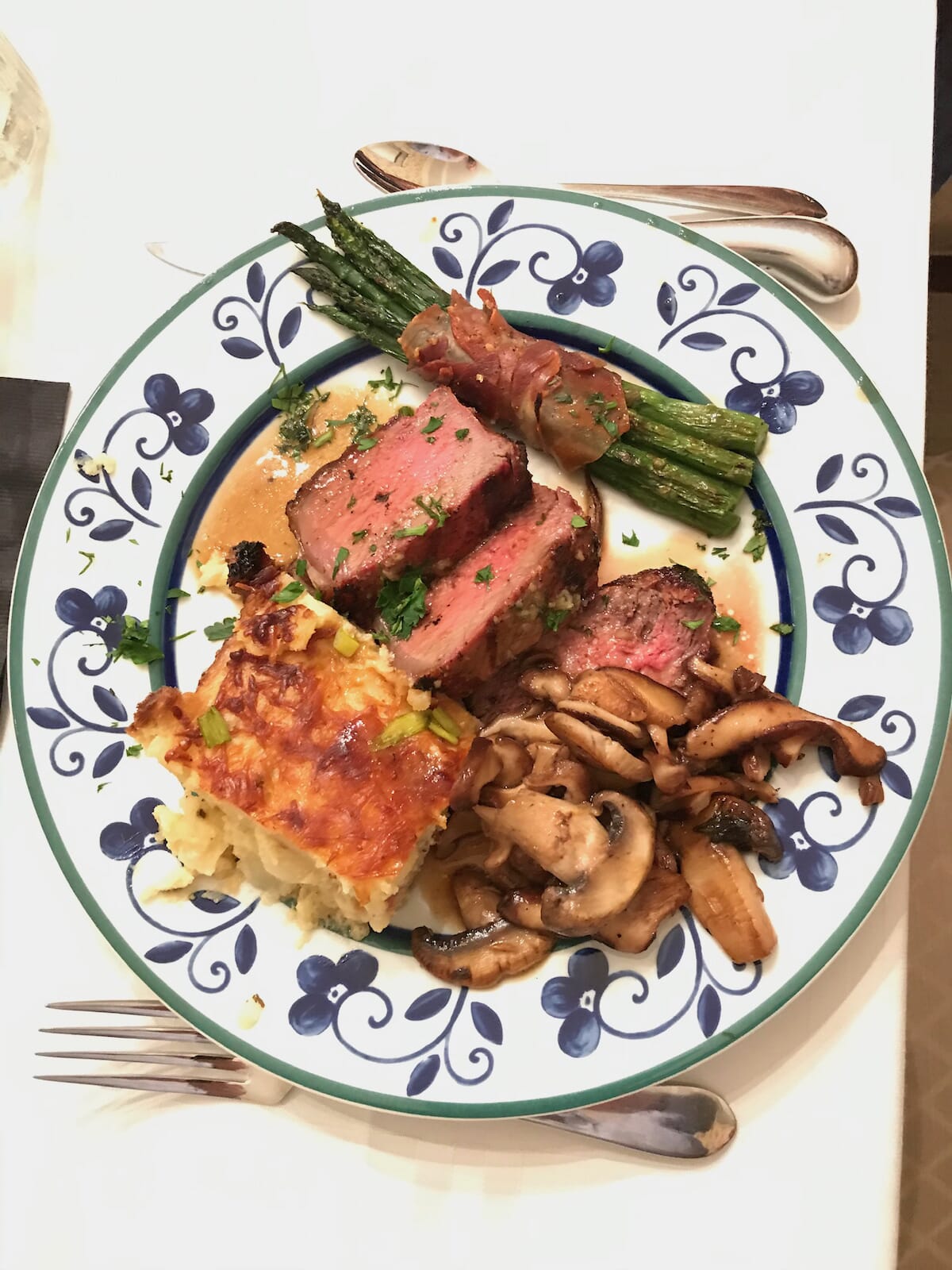
The real challenge often lies in the adjectives and accompanying phrases. A 'steak' isn't just a steak. Is it 'saignant' (rare), 'à point' (medium), or 'bien cuit' (well done)? Are you getting 'frites maison' (homemade fries) or a 'gratin dauphinois' (sliced potatoes baked with cream and garlic)?
Key terms to watch for:
- 'Confit': Often refers to duck (confit de canard), slow-cooked and preserved in its own fat until incredibly tender.
- 'Braisé': Braised, meaning slow-cooked in liquid, resulting in fall-apart meat.
- 'Rôti': Roasted, usually referring to poultry or larger cuts of meat.
- 'À la plancha' / 'Grillé': Cooked on a griddle or grilled, common for fish and seafood.
- 'Jus': This isn't just juice; it's a rich, natural pan sauce made from the drippings of roasted meat. It’s far more refined than gravy.
- 'Garniture': The side dish that comes with your main course. Don't assume it's always potatoes; it could be seasonal vegetables or a purée.
Regional Specialties: A Culinary Map of France
France isn't a monolith when it comes to food. What you find on a menu in Provence will be vastly different from what's served in Brittany or Alsace. In the southwest, around Toulouse, you'll encounter hearty cassoulet (a rich bean stew with various meats like sausage and duck confit). Head north to Burgundy for boeuf bourguignon (beef stewed in red wine) or a rich coq au vin.
Coastal regions, naturally, excel in seafood. In Brittany, look for fresh oysters (huîtres) and crêpes. In Alsace, close to the German border, menus feature dishes like choucroute garnie (sauerkraut with various sausages and cured meats) and flammekueche (a thin-crust tart with cream, onions, and bacon).
Avoiding Ordering Regrets: When in Doubt, Point It Out
It's easy to feel intimidated, but remember, most French servers are accustomed to helping non-French speakers. If a term truly baffles you, a simple, "C'est quoi, ça?" (What is that?) while pointing at the dish will often get you a helpful explanation. Don't just guess; that's how you end up with something completely unexpected, like sweetbreads (ris de veau) when you thought you ordered veal cutlet.
For those moments when a quick visual would save the day, an app like MenuDish can be incredibly useful. Just scan the menu with your phone, and suddenly, you're looking at actual photos of the dishes, complete with ingredient breakdowns. It takes the guesswork out of ordering and lets you focus on enjoying the meal, not translating every single word.
Don't cook it — find it.
See every dish on any menu before you order. Scan, see the photo, check allergens & nutrition.